.svg)
Agriculture - Gardening
Our extracts
Our product of the moment
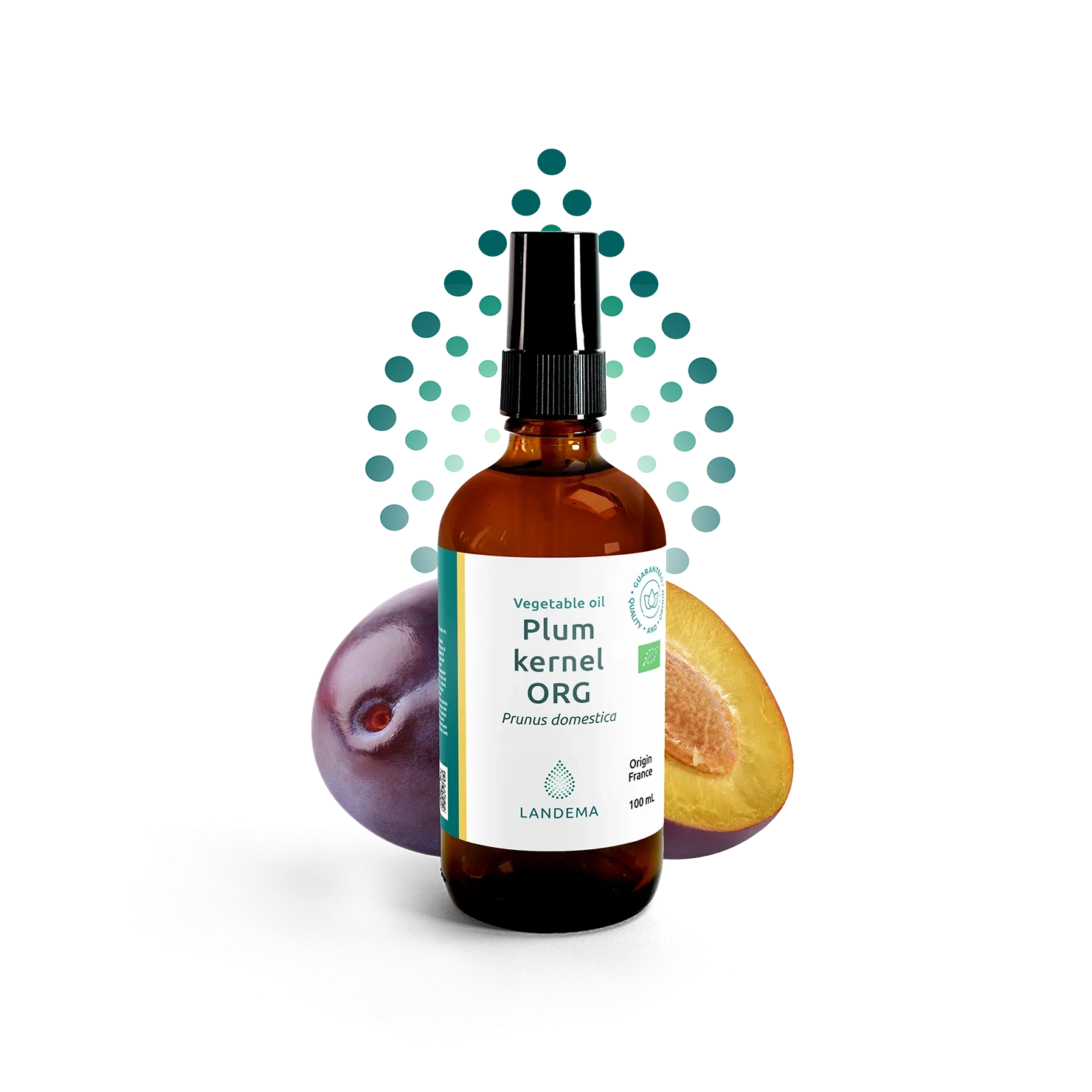
Plum kernel ORG
Vegetable oil
By use
Our product of the moment
Plum kernel ORG
Vegetable oil
sylius.ui.nav.a_question ?
Our customer service is always available to answer our customers' questions. Please feel free to contact us if you need assistance or have any questions. We are here to help.
sylius.ui.nav.contact_us
Shea butter organic deodo. COS
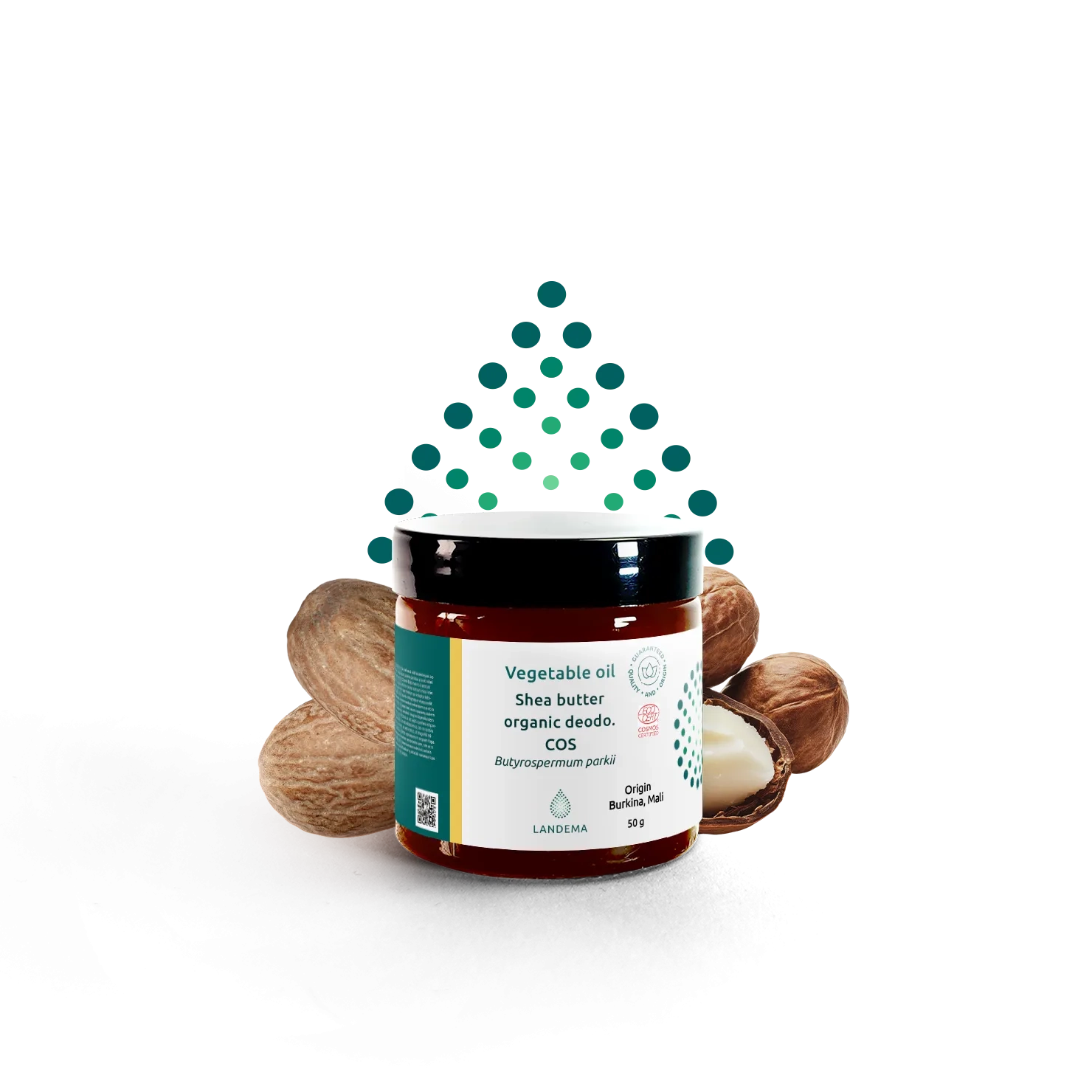
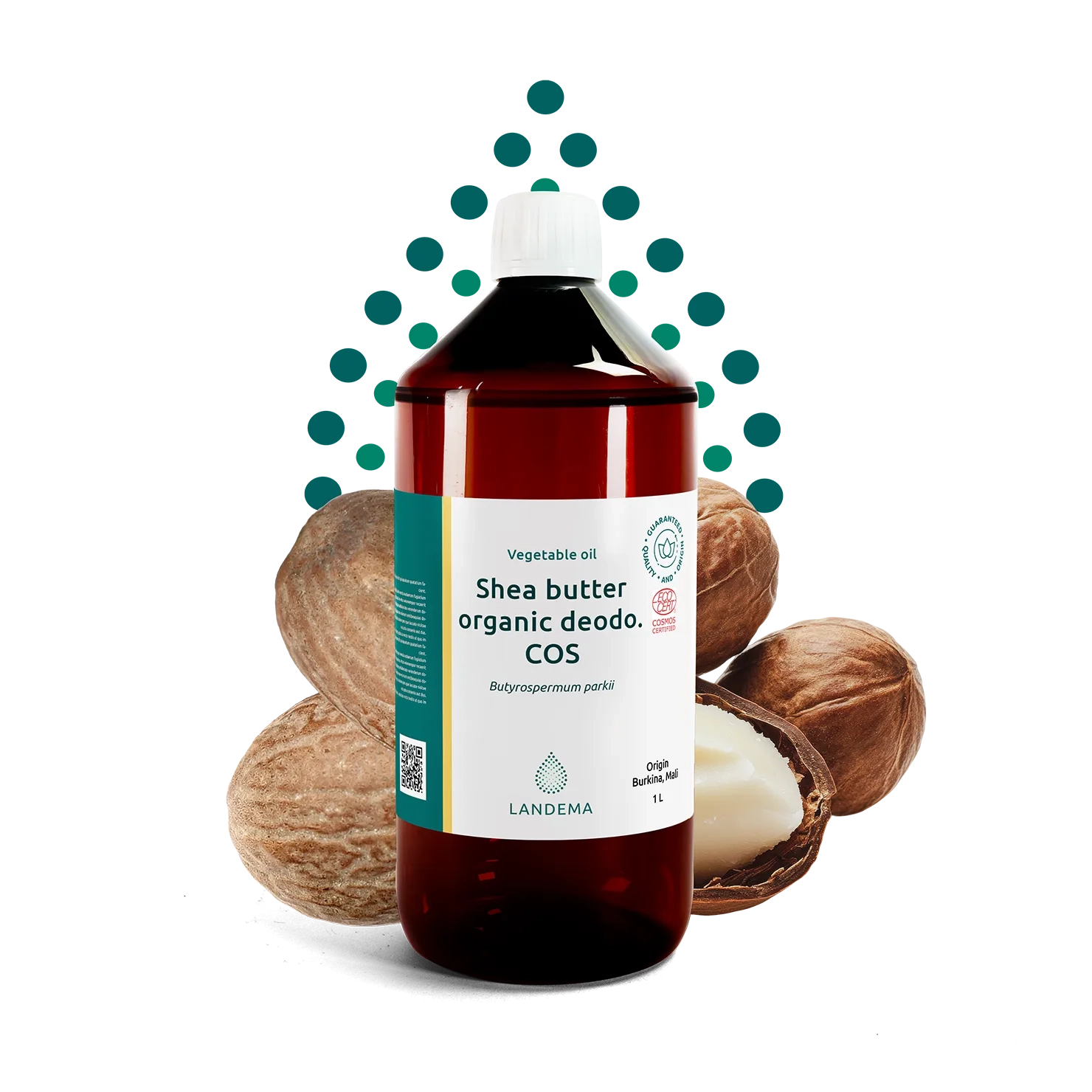
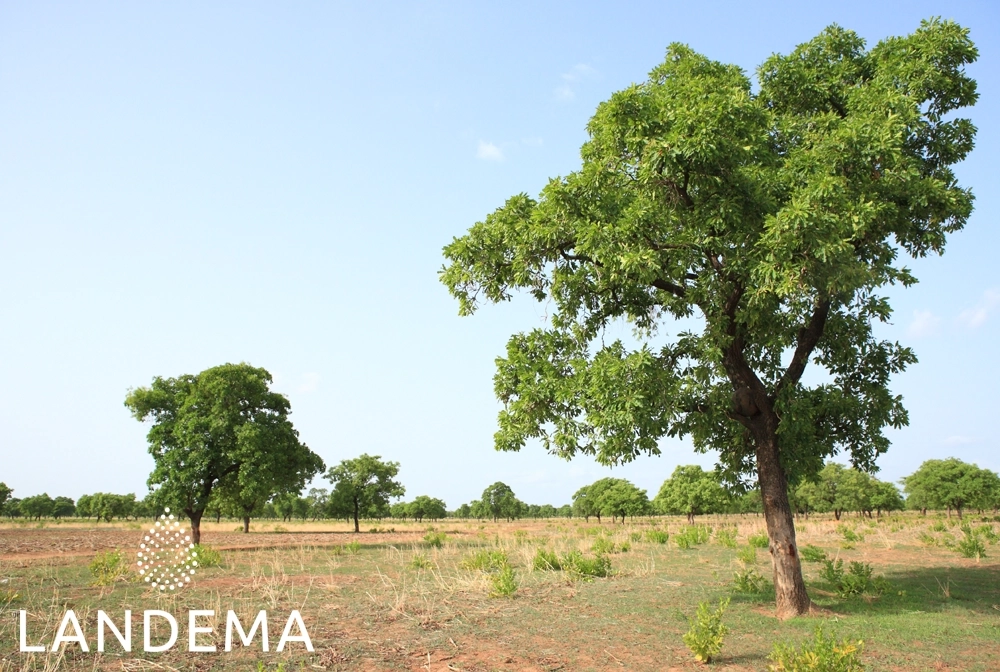
Derived from the Vitellaria paradoxa tree, shea butter is produced from its fruits, harvested at maturity in the savannas of West Africa. This iconic tree, found in 19 countries, can live up to 200 years and produce fruit for several decades. The butter is obtained through a traditional process involving crushing and boiling the nuts.
Shea butter is rich in fatty acids (stearic, oleic, linoleic, palmitic) and unsaponifiables with various cosmetic effects. It contains triterpene alcohols, phytosterols (including a high proportion of beta-sitosterol), and karitenes. This composition gives it nourishing, soothing, and protective properties, making it highly valued for skin and hair care.
Shea butter is highly recommended for dry, sensitive, or reactive skin. It is incorporated into creams, body lotions, balms, or restorative products. It is also used in hair care, particularly for dry, curly, or damaged hair, providing nourishment and softness. Additionally, it is used in soap manufacturing, adding consistency and smoothness.

The shea tree (Vitellaria paradoxa) naturally grows in the dry and wild savannas of West Africa, covering a vast area stretching from Senegal to Sudan, and reaching the foothills of the Ethiopian highlands. It is present in 19 African countries: Benin, Burkina Faso, Cameroon, Central African Republic, Chad, Ethiopia, Ghana, Guinea-Bissau, Ivory Coast, Mali, Niger, Nigeria, Senegal, Sierra Leone, Sudan, Togo, Uganda, Zaire, and Guinea.
This robust tree generally reaches a height of 15 meters, with a dense crown and thick, waxy bark that is deeply cracked, effectively protecting it from fires.
The tree begins to produce its first fruits, resembling large plums, at the age of 20. It reaches its full production capacity around 45 years old and can produce nuts for nearly 200 years after reaching maturity.
Shea butter, also known as shea nut butter, is obtained from the fruits of the tree Vitellaria paradoxa through a traditional process combining crushing of the nuts followed by boiling. This vegetable butter, with a smooth texture and a color ranging from ivory to pale yellow, is renowned for its richness in natural components with varied uses.
Its lipid composition makes it a particularly interesting raw material: stearic acid (C18:0) and oleic acid (C18:1, omega-9) alone account for over 70% of the fatty acid profile.
Typical fatty acid distribution:
In addition to its fatty acids, shea butter contains about 4% unsaponifiable fractions, which concentrate valuable compounds for cosmetic and dermopharmaceutical applications:
The unsaponifiable fraction also contains about 27% hydrocarbons, with a large proportion of karitene, a lipophilic compound often valued in nourishing and protective skincare products.
 Cosmetics
Shea butter is recognized for its remarkable nourishing and protective properties. A true ally for dry or sensitive skin, it helps to preserve skin hydration while enhancing the skin's natural elasticity.
Main properties:
Moisturizing: it deeply nourishes and helps maintain a good water content in the epidermis.
Soothing: it is appreciated for its calming effect on reactive or weakened skin.
Emollient: it softens tissues and provides an immediate sense of comfort.
Protective: it forms a light lipid film that helps limit water loss and protects against external aggressions.
Common applications:
Shea butter is incorporated into many formulations: Face and body care for dry, sensitive, or atopic skin.
Nourishing hair products, especially for dry, curly, or damaged hair.
After-sun balms, restorative treatments, or aftershave products for their soothing effect.
Lower-quality butters are used in soap making, often blended with coconut soap to improve their consistency and lather.
| Botanical name : | Vitellaria paradoxa subsp. paradoxa (Syn : Butyrospermum parkii (G.Don) Kotschy) |
| CAS EINECS : | 91080-23-8 |
| CE number : | 293-515-7 |
| Commercial designation : | Shea butter Organic vegetable oil desodo. COSMOS |
| Composition : | 100% pure and natural. Cold pressed, deodorized. |
| Country of harvest : | BURKINA MALI |
| Country of manufacturing : | EUROPEAN UNION |
| Declared domestic use : | Ingredient |
| Flash point (°C) : | 0 |
| INCI Cosing : | Butyrospermum parkii butter |
| Internal reference : | BCE1510 |
| Minimum shelf life (month) : | 24 |
| Part of the plant : | Seed |
| Product's Familly : | SHEA |
| Registered in food inventories : | No |
| Regulated sale : | Non |
| Transport Data Dangerous Goods : | -// |
| Type of extract : | Vegetable oil |
Ingredient for cosmetic preparation, do not ingest.
Consult our guides: storage and preservation methods and precautions for use
Derived from the Vitellaria paradoxa tree, shea butter is produced from its fruits, harvested at maturity in the savannas of West Africa. This iconic tree, found in 19 countries, can live up to 200 years and produce fruit for several decades. The butter is obtained through a traditional process involving crushing and boiling the nuts.
Shea butter is rich in fatty acids (stearic, oleic, linoleic, palmitic) and unsaponifiables with various cosmetic effects. It contains triterpene alcohols, phytosterols (including a high proportion of beta-sitosterol), and karitenes. This composition gives it nourishing, soothing, and protective properties, making it highly valued for skin and hair care.
Shea butter is highly recommended for dry, sensitive, or reactive skin. It is incorporated into creams, body lotions, balms, or restorative products. It is also used in hair care, particularly for dry, curly, or damaged hair, providing nourishment and softness. Additionally, it is used in soap manufacturing, adding consistency and smoothness.
The shea tree (Vitellaria paradoxa) naturally grows in the dry and wild savannas of West Africa, covering a vast area stretching from Senegal to Sudan, and reaching the foothills of the Ethiopian highlands. It is present in 19 African countries: Benin, Burkina Faso, Cameroon, Central African Republic, Chad, Ethiopia, Ghana, Guinea-Bissau, Ivory Coast, Mali, Niger, Nigeria, Senegal, Sierra Leone, Sudan, Togo, Uganda, Zaire, and Guinea.
This robust tree generally reaches a height of 15 meters, with a dense crown and thick, waxy bark that is deeply cracked, effectively protecting it from fires.
The tree begins to produce its first fruits, resembling large plums, at the age of 20. It reaches its full production capacity around 45 years old and can produce nuts for nearly 200 years after reaching maturity.
Shea butter, also known as shea nut butter, is obtained from the fruits of the tree Vitellaria paradoxa through a traditional process combining crushing of the nuts followed by boiling. This vegetable butter, with a smooth texture and a color ranging from ivory to pale yellow, is renowned for its richness in natural components with varied uses.
Its lipid composition makes it a particularly interesting raw material: stearic acid (C18:0) and oleic acid (C18:1, omega-9) alone account for over 70% of the fatty acid profile.
Typical fatty acid distribution:
In addition to its fatty acids, shea butter contains about 4% unsaponifiable fractions, which concentrate valuable compounds for cosmetic and dermopharmaceutical applications:
The unsaponifiable fraction also contains about 27% hydrocarbons, with a large proportion of karitene, a lipophilic compound often valued in nourishing and protective skincare products.
Cosmetics
Shea butter is recognized for its remarkable nourishing and protective properties. A true ally for dry or sensitive skin, it helps to preserve skin hydration while enhancing the skin's natural elasticity.
Main properties:
Moisturizing: it deeply nourishes and helps maintain a good water content in the epidermis.
Soothing: it is appreciated for its calming effect on reactive or weakened skin.
Emollient: it softens tissues and provides an immediate sense of comfort.
Protective: it forms a light lipid film that helps limit water loss and protects against external aggressions.
Common applications:
Shea butter is incorporated into many formulations: Face and body care for dry, sensitive, or atopic skin.
Nourishing hair products, especially for dry, curly, or damaged hair.
After-sun balms, restorative treatments, or aftershave products for their soothing effect.
Lower-quality butters are used in soap making, often blended with coconut soap to improve their consistency and lather.
| Botanical name : | Vitellaria paradoxa subsp. paradoxa (Syn : Butyrospermum parkii (G.Don) Kotschy) |
| CAS EINECS : | 91080-23-8 |
| CE number : | 293-515-7 |
| Commercial designation : | Shea butter Organic vegetable oil desodo. COSMOS |
| Composition : | 100% pure and natural. Cold pressed, deodorized. |
| Country of harvest : | BURKINA MALI |
| Country of manufacturing : | EUROPEAN UNION |
| Declared domestic use : | Ingredient |
| Flash point (°C) : | 0 |
| INCI Cosing : | Butyrospermum parkii butter |
| Internal reference : | BCE1510 |
| Minimum shelf life (month) : | 24 |
| Part of the plant : | Seed |
| Product's Familly : | SHEA |
| Registered in food inventories : | No |
| Regulated sale : | Non |
| Transport Data Dangerous Goods : | -// |
| Type of extract : | Vegetable oil |
Ingredient for cosmetic preparation, do not ingest.
Consult our guides: storage and preservation methods and precautions for use
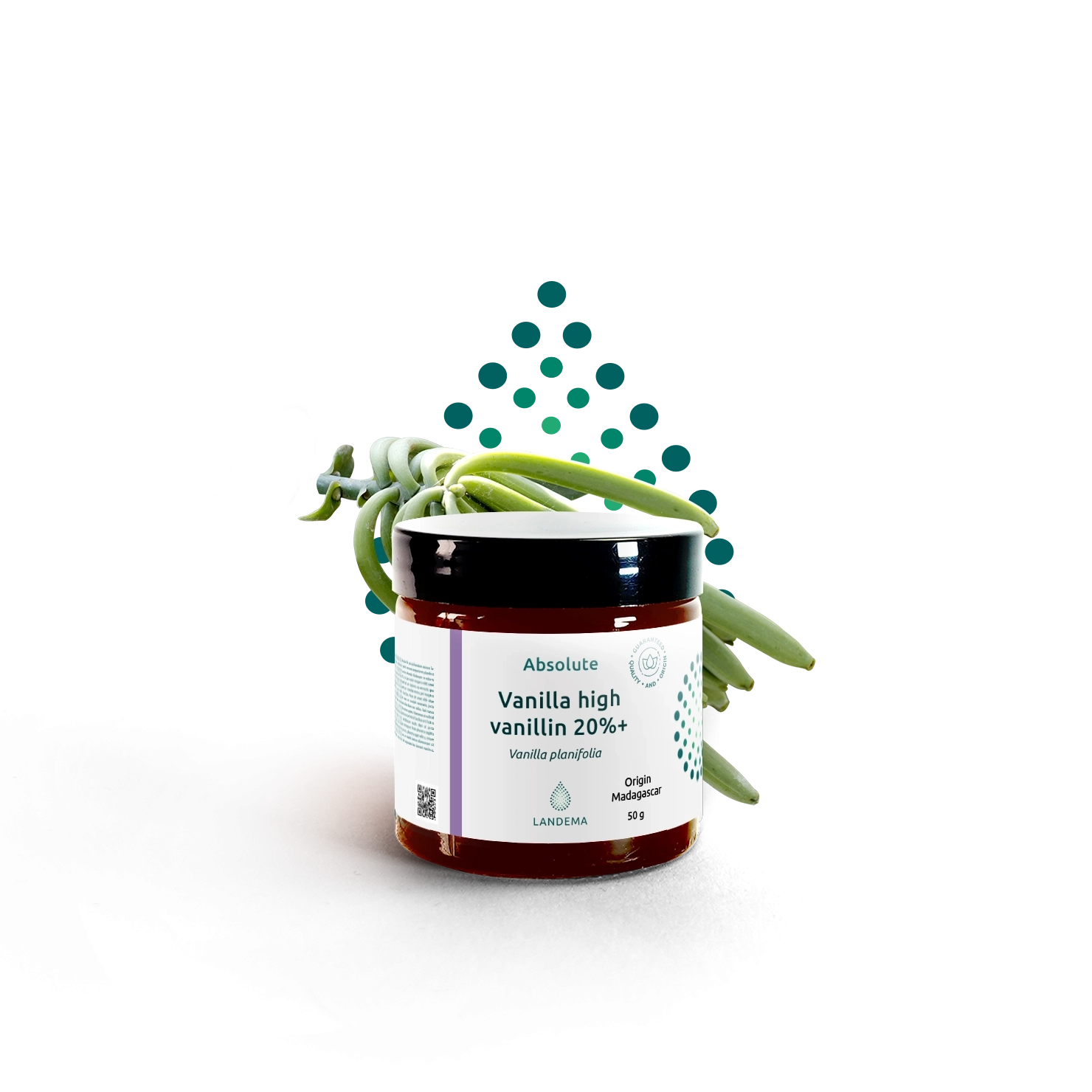
Vanilla high vanillin 20%+
Absolute
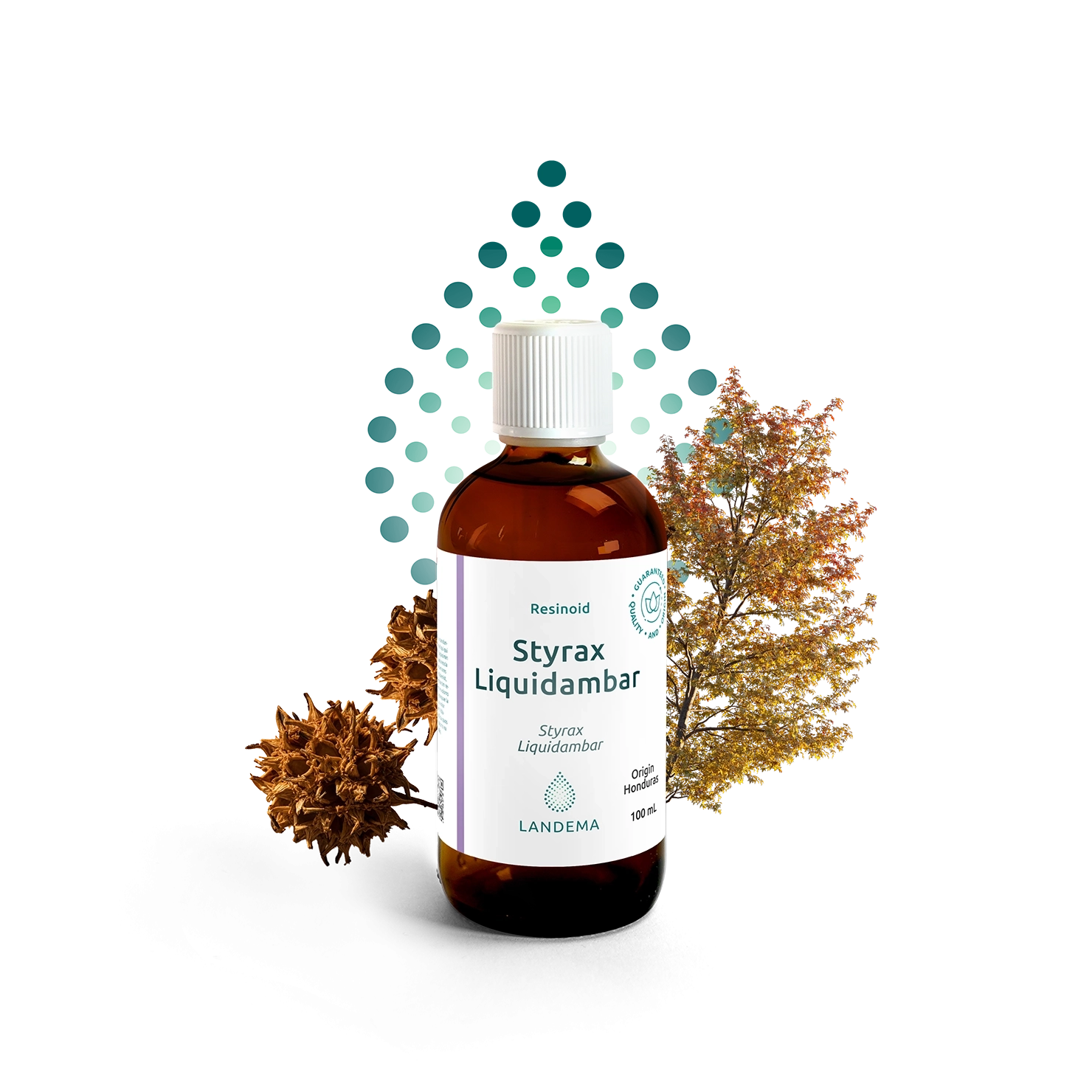
Styrax Liquidambar
Resinoid
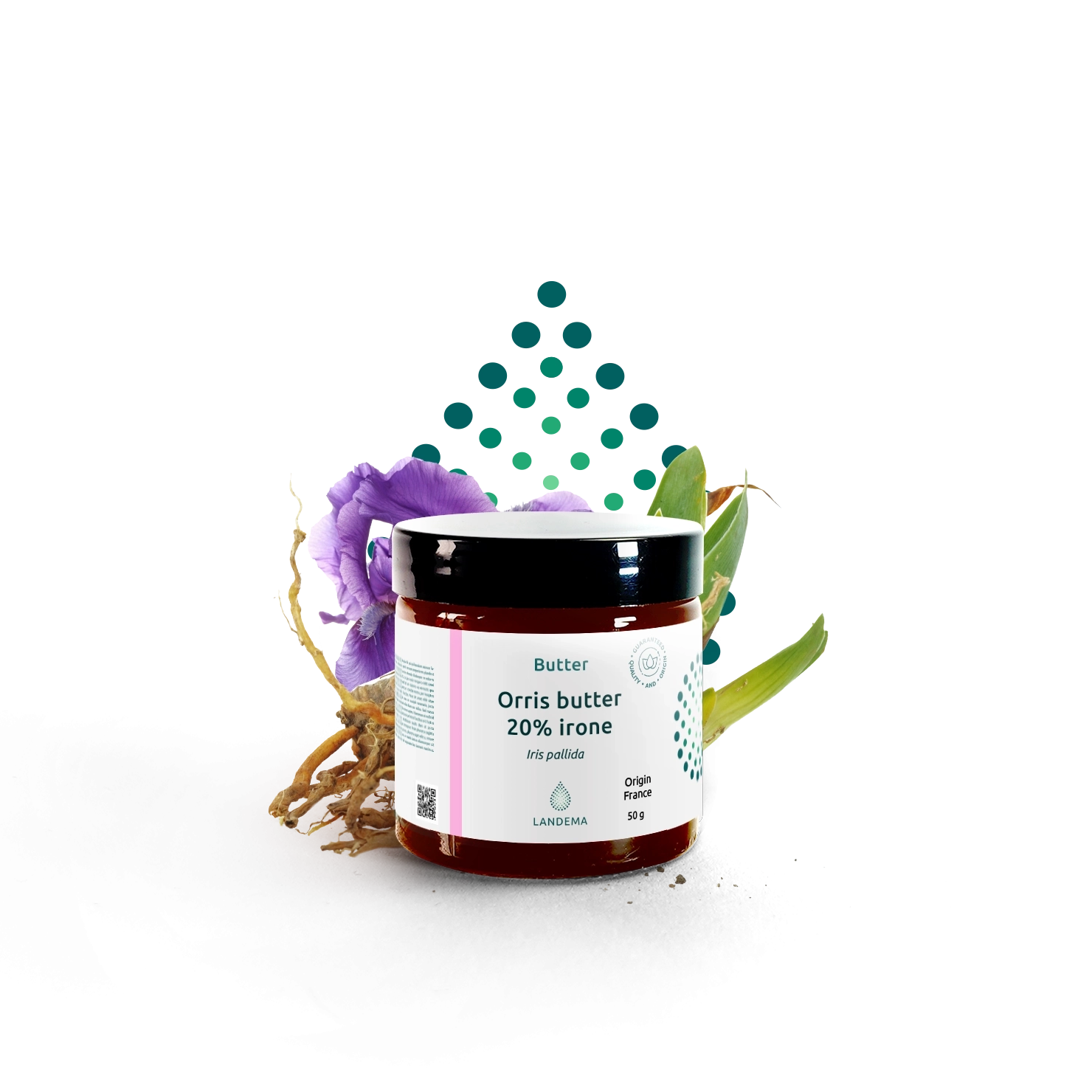
Orris butter 20% irone
Butter
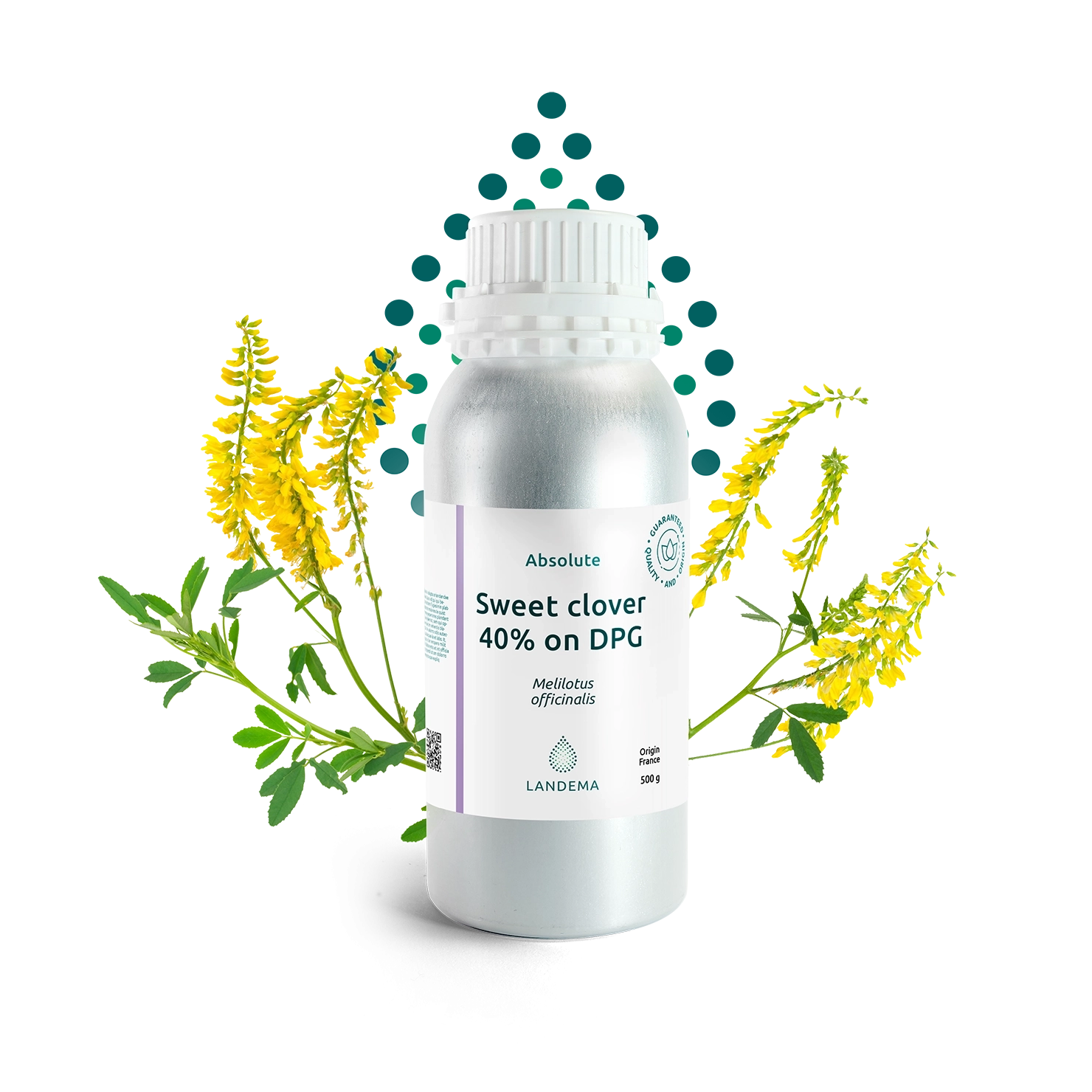
Sweet clover 40% on DPG
Absolute
Your wishlist
Secure payment


.svg)
.svg)
.svg)
.svg)
.svg)
.svg)