.svg)
Agriculture - Gardening
Our extracts
Our product of the moment
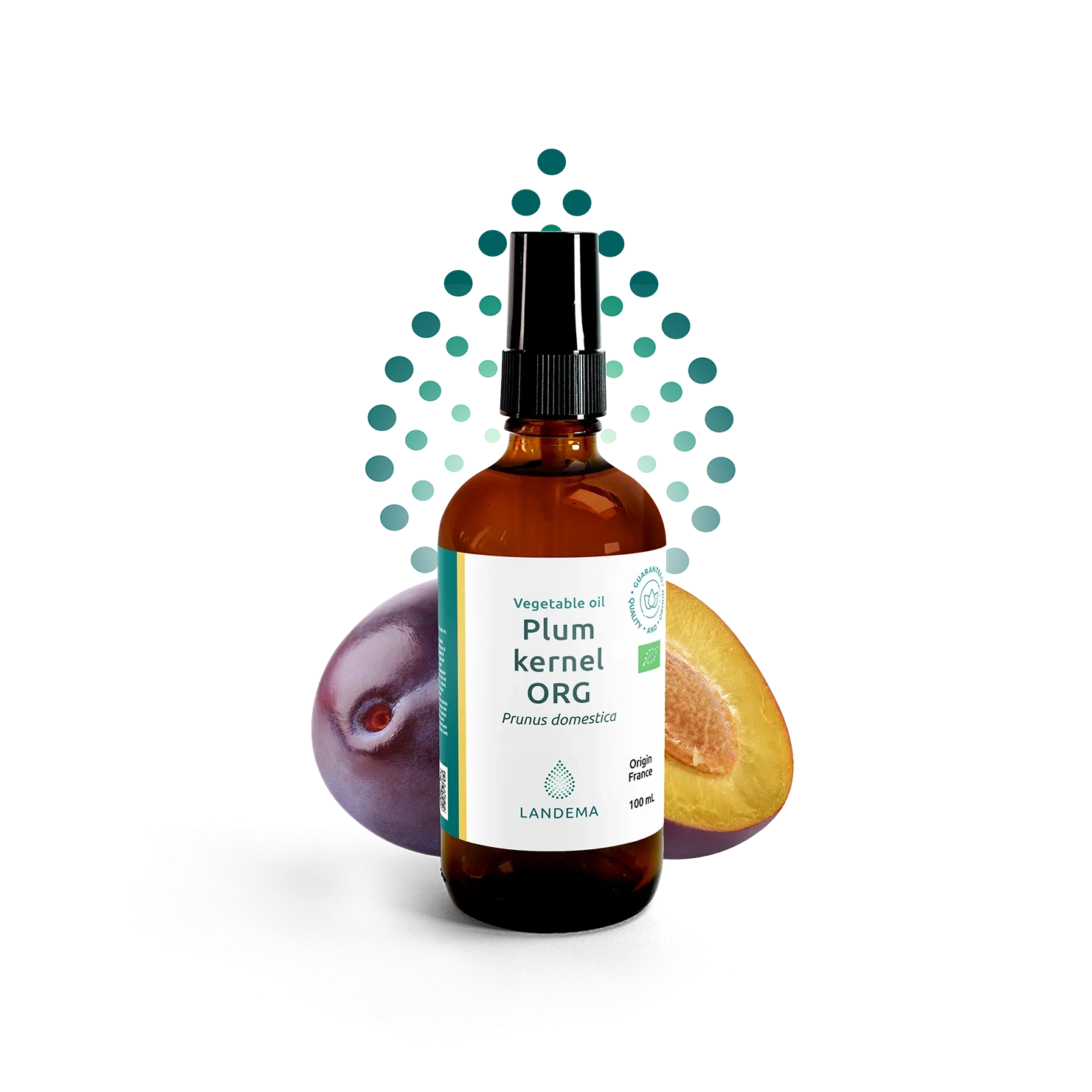
Plum kernel ORG
Vegetable oil
By use
Our product of the moment
Plum kernel ORG
Vegetable oil
sylius.ui.nav.a_question ?
Our customer service is always available to answer our customers' questions. Please feel free to contact us if you need assistance or have any questions. We are here to help.
sylius.ui.nav.contact_us
Coconut virgin organic COSMOS
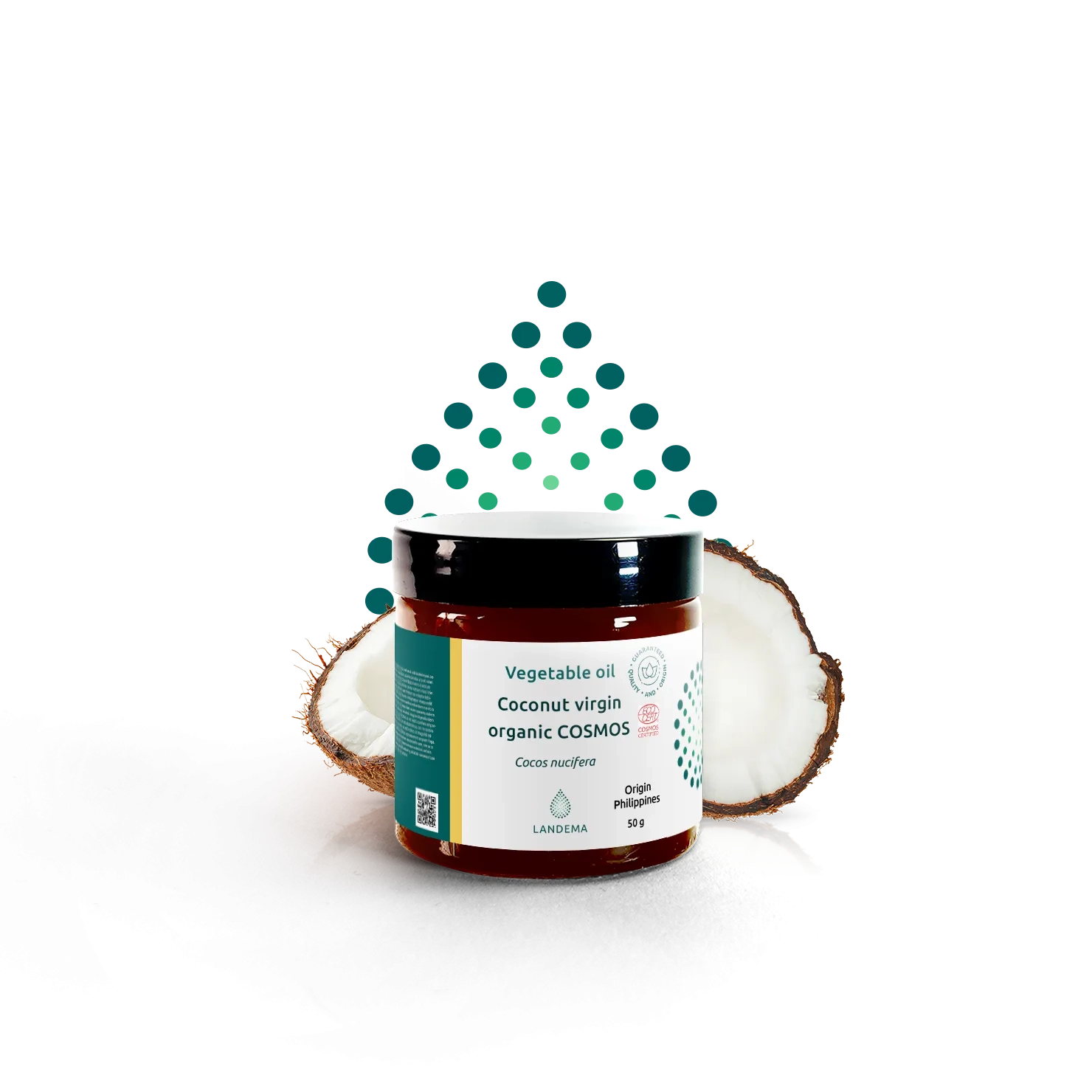
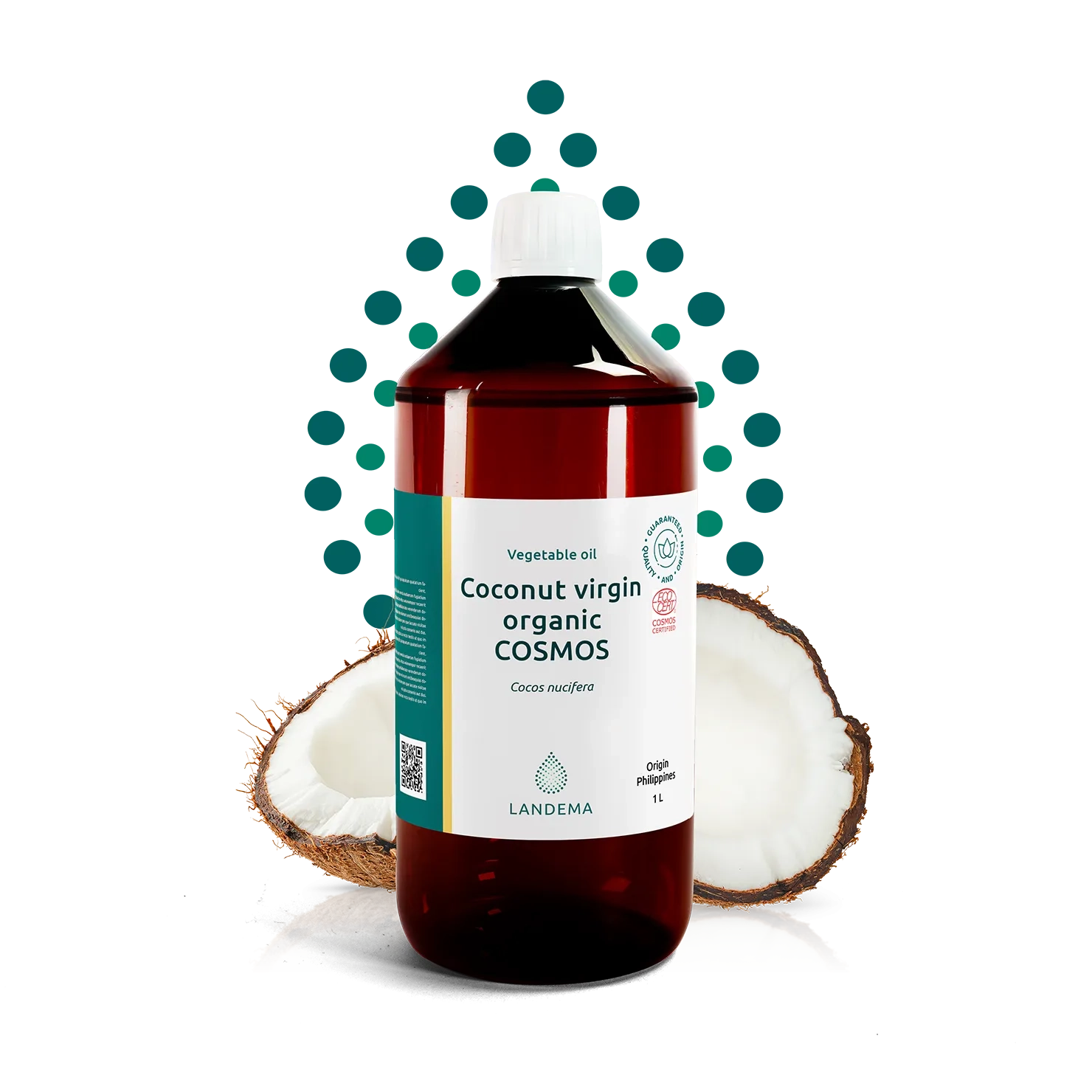
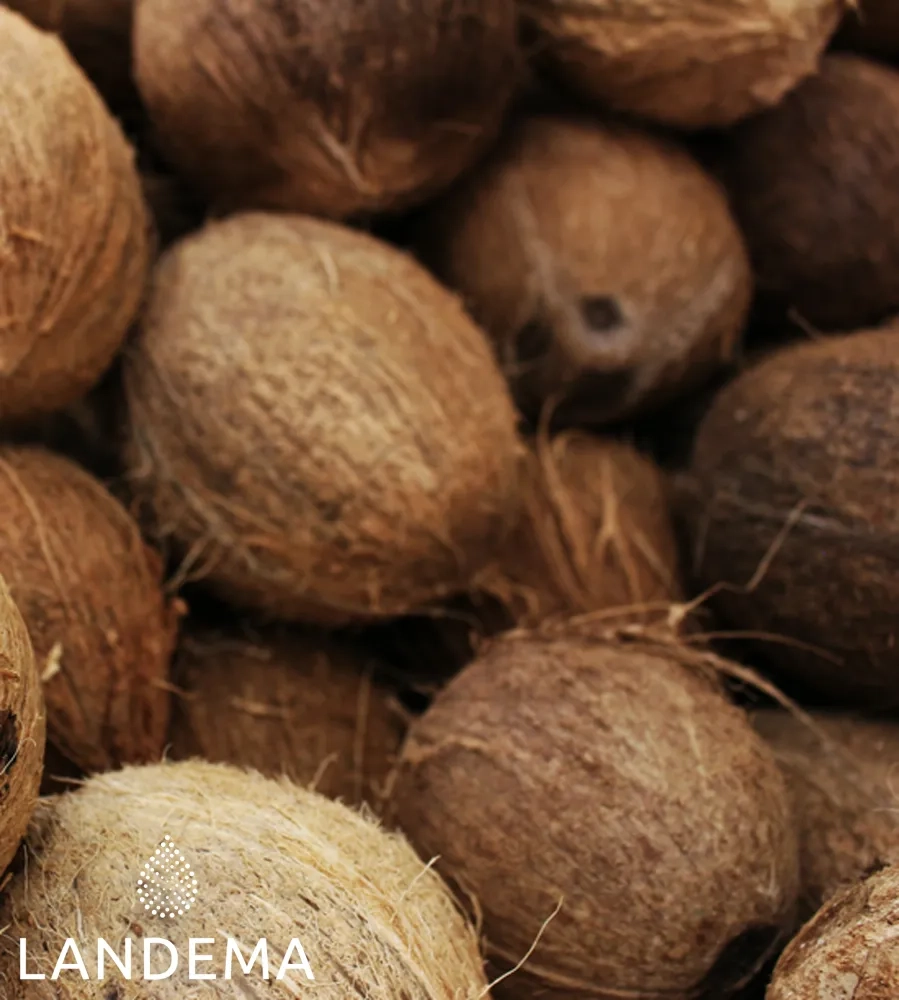
Extracted by cold pressing from fresh coconut flesh, this virgin oil is rich in medium-chain saturated fatty acids, particularly lauric acid. Creamy, protective, and naturally scented, it deeply nourishes dry skin and damaged hair. It helps restore the skin's barrier and limit dehydration. Recommended for balms, hair care products, body lotions, or makeup removers. Suitable for natural formulations for sensitive, dry, or tight skin.

The coconut tree, or Cocos nucifera, is a palm from the Arecaceae family. It can reach a height of 10 to 20 meters. Its slender trunk, often slightly curved, is wider at the base than at the top. At its tip grows a crown of large leaves, protecting the plant's only growth point: the terminal bud.
The leaves measure between 1.5 and 4 meters long. They are made up of numerous leathery leaflets, yellow-green in color, each 50 to 70 cm long. Under optimal conditions, a mature coconut tree produces between 12 and 14 new fronds per year. The crown typically contains between 25 and 36 fronds.
The coconut tree has a fibrous root system. The main roots anchor the tree in the soil and absorb water, while the finer roots, known as tertiary roots, draw the nutrients necessary for growth.
The coconut tree is a monoecious species, meaning it has both male and female flowers. These flowers are grouped in panicles at the base of the lower leaves, each protected by a large bract called a spathe (which can reach up to 70 cm in length). The formation of the inflorescences lasts about 3 to 4 months, with flowering generally occurring from November to March.
The fruit of the coconut tree is a large, oval drupe: the coconut. It contains a single seed and is made up of several layers, from the outside in:
A thick, fibrous outer envelope (exocarp), 4 to 5 cm thick.
A finer, also fibrous intermediate layer (mesocarp).
A hard shell (endocarp) with three pores arranged in a triangle.
A white, edible pulp (endosperm).
Depending on the variety, mature coconuts can be green, ochre yellow, or reddish-orange. As they dry, they become a matte brown before falling. They can weigh up to 2.5 kg.
The coconut tree primarily grows on sandy beaches in tropical and subtropical regions. While its exact origins are uncertain, it is believed to come from the Indo-Malay region along the western Pacific coasts. Its wide distribution today is largely due to human intervention.
It thrives in hot and humid climates, with an average annual temperature between 27 and 35°C, with little variation during the day. The areas most suited for cultivation receive between 1,200 and 2,300 mm of rain annually.
The main coconut-producing countries are located in Southeast Asia (particularly the Malaysian archipelago, India, Sri Lanka), some Pacific islands, East Africa, and Central and South America.
Coconut vegetable oil is extracted by cold pressing the fresh pulp of the coconut fruit (Cocos nucifera L.).
The pulp, also known as the endosperm, contains the following when fresh:
35 to 40% oil,
10% carbohydrates,
3% proteins,
Approximately 50% water.
This oil is primarily composed of triglycerides, which are fats made up of fatty acids. It is characterized by a high content of saturated fatty acids with short or medium chains (about 92%), and only 8% unsaturated fatty acids.
Among the saturated fatty acids, the most abundant are:
Lauric acid (44 to 55%),
Myristic acid (16 to 21%),
Palmitic acid (7 to 12%),
Caprylic acid (4.5 to 10%),
Capric acid (3 to 8%),
Stearic acid (2 to 5%).
As for the unsaturated fatty acids, the main ones are:
Oleic acid (4 to 12%),
Linoleic acid (1 to 3%).
 Cosmetics
Coconut vegetable oil is a highly valued raw material in cosmetic formulations due to its richness in saturated fatty acids, its creamy texture, and its natural exotic fragrance.
Among its properties, we find:
Hair protection: Due to its ability to deeply penetrate the hair fiber, coconut oil helps limit protein loss.
Emollient: It effectively hydrates dry skin while reinforcing the skin’s barrier.
Antifungal: Its fatty acids help inhibit the growth of dermatophytes.
Natural repellent: It proves useful in repelling black flies and preventing their bites.
Recommended dosage: between 0.5% and 5%, depending on the formulation type and desired texture.
| Botanical name : | Cocos nucifera L. |
| CAS EINECS : | 8001-31-8 |
| CAS TSCA : | 8001-31-8 |
| CE number : | 232-282-8 |
| Commercial designation : | Coconut Virgin organic vegetable oil Ph. COSMOS |
| Composition : | 100% pure and natural. Virgin, cold pressed. |
| Country of harvest : | PHILIPPINES |
| Country of manufacturing : | PHILIPPINES |
| Declared domestic use : | Ingredient |
| Flash point (°C) : | 300 |
| INCI Cosing : | Cocos nucifera oil |
| Internal reference : | BCE1506 |
| Minimum shelf life (month) : | 24 |
| Part of the plant : | Fruit |
| Product's Familly : | COCONUT |
| Registered in food inventories : | No |
| Regulated sale : | Non |
| Transport Data Dangerous Goods : | -// |
| Type of extract : | Vegetable oil |
Ingredient for cosmetic preparation, do not ingest.
Consult our guides: storage and preservation methods and precautions for use
Extracted by cold pressing from fresh coconut flesh, this virgin oil is rich in medium-chain saturated fatty acids, particularly lauric acid. Creamy, protective, and naturally scented, it deeply nourishes dry skin and damaged hair. It helps restore the skin's barrier and limit dehydration. Recommended for balms, hair care products, body lotions, or makeup removers. Suitable for natural formulations for sensitive, dry, or tight skin.
The coconut tree, or Cocos nucifera, is a palm from the Arecaceae family. It can reach a height of 10 to 20 meters. Its slender trunk, often slightly curved, is wider at the base than at the top. At its tip grows a crown of large leaves, protecting the plant's only growth point: the terminal bud.
The leaves measure between 1.5 and 4 meters long. They are made up of numerous leathery leaflets, yellow-green in color, each 50 to 70 cm long. Under optimal conditions, a mature coconut tree produces between 12 and 14 new fronds per year. The crown typically contains between 25 and 36 fronds.
The coconut tree has a fibrous root system. The main roots anchor the tree in the soil and absorb water, while the finer roots, known as tertiary roots, draw the nutrients necessary for growth.
The coconut tree is a monoecious species, meaning it has both male and female flowers. These flowers are grouped in panicles at the base of the lower leaves, each protected by a large bract called a spathe (which can reach up to 70 cm in length). The formation of the inflorescences lasts about 3 to 4 months, with flowering generally occurring from November to March.
The fruit of the coconut tree is a large, oval drupe: the coconut. It contains a single seed and is made up of several layers, from the outside in:
A thick, fibrous outer envelope (exocarp), 4 to 5 cm thick.
A finer, also fibrous intermediate layer (mesocarp).
A hard shell (endocarp) with three pores arranged in a triangle.
A white, edible pulp (endosperm).
Depending on the variety, mature coconuts can be green, ochre yellow, or reddish-orange. As they dry, they become a matte brown before falling. They can weigh up to 2.5 kg.
The coconut tree primarily grows on sandy beaches in tropical and subtropical regions. While its exact origins are uncertain, it is believed to come from the Indo-Malay region along the western Pacific coasts. Its wide distribution today is largely due to human intervention.
It thrives in hot and humid climates, with an average annual temperature between 27 and 35°C, with little variation during the day. The areas most suited for cultivation receive between 1,200 and 2,300 mm of rain annually.
The main coconut-producing countries are located in Southeast Asia (particularly the Malaysian archipelago, India, Sri Lanka), some Pacific islands, East Africa, and Central and South America.
Coconut vegetable oil is extracted by cold pressing the fresh pulp of the coconut fruit (Cocos nucifera L.).
The pulp, also known as the endosperm, contains the following when fresh:
35 to 40% oil,
10% carbohydrates,
3% proteins,
Approximately 50% water.
This oil is primarily composed of triglycerides, which are fats made up of fatty acids. It is characterized by a high content of saturated fatty acids with short or medium chains (about 92%), and only 8% unsaturated fatty acids.
Among the saturated fatty acids, the most abundant are:
Lauric acid (44 to 55%),
Myristic acid (16 to 21%),
Palmitic acid (7 to 12%),
Caprylic acid (4.5 to 10%),
Capric acid (3 to 8%),
Stearic acid (2 to 5%).
As for the unsaturated fatty acids, the main ones are:
Oleic acid (4 to 12%),
Linoleic acid (1 to 3%).
Cosmetics
Coconut vegetable oil is a highly valued raw material in cosmetic formulations due to its richness in saturated fatty acids, its creamy texture, and its natural exotic fragrance.
Among its properties, we find:
Hair protection: Due to its ability to deeply penetrate the hair fiber, coconut oil helps limit protein loss.
Emollient: It effectively hydrates dry skin while reinforcing the skin’s barrier.
Antifungal: Its fatty acids help inhibit the growth of dermatophytes.
Natural repellent: It proves useful in repelling black flies and preventing their bites.
Recommended dosage: between 0.5% and 5%, depending on the formulation type and desired texture.
| Botanical name : | Cocos nucifera L. |
| CAS EINECS : | 8001-31-8 |
| CAS TSCA : | 8001-31-8 |
| CE number : | 232-282-8 |
| Commercial designation : | Coconut Virgin organic vegetable oil Ph. COSMOS |
| Composition : | 100% pure and natural. Virgin, cold pressed. |
| Country of harvest : | PHILIPPINES |
| Country of manufacturing : | PHILIPPINES |
| Declared domestic use : | Ingredient |
| Flash point (°C) : | 300 |
| INCI Cosing : | Cocos nucifera oil |
| Internal reference : | BCE1506 |
| Minimum shelf life (month) : | 24 |
| Part of the plant : | Fruit |
| Product's Familly : | COCONUT |
| Registered in food inventories : | No |
| Regulated sale : | Non |
| Transport Data Dangerous Goods : | -// |
| Type of extract : | Vegetable oil |
Ingredient for cosmetic preparation, do not ingest.
Consult our guides: storage and preservation methods and precautions for use
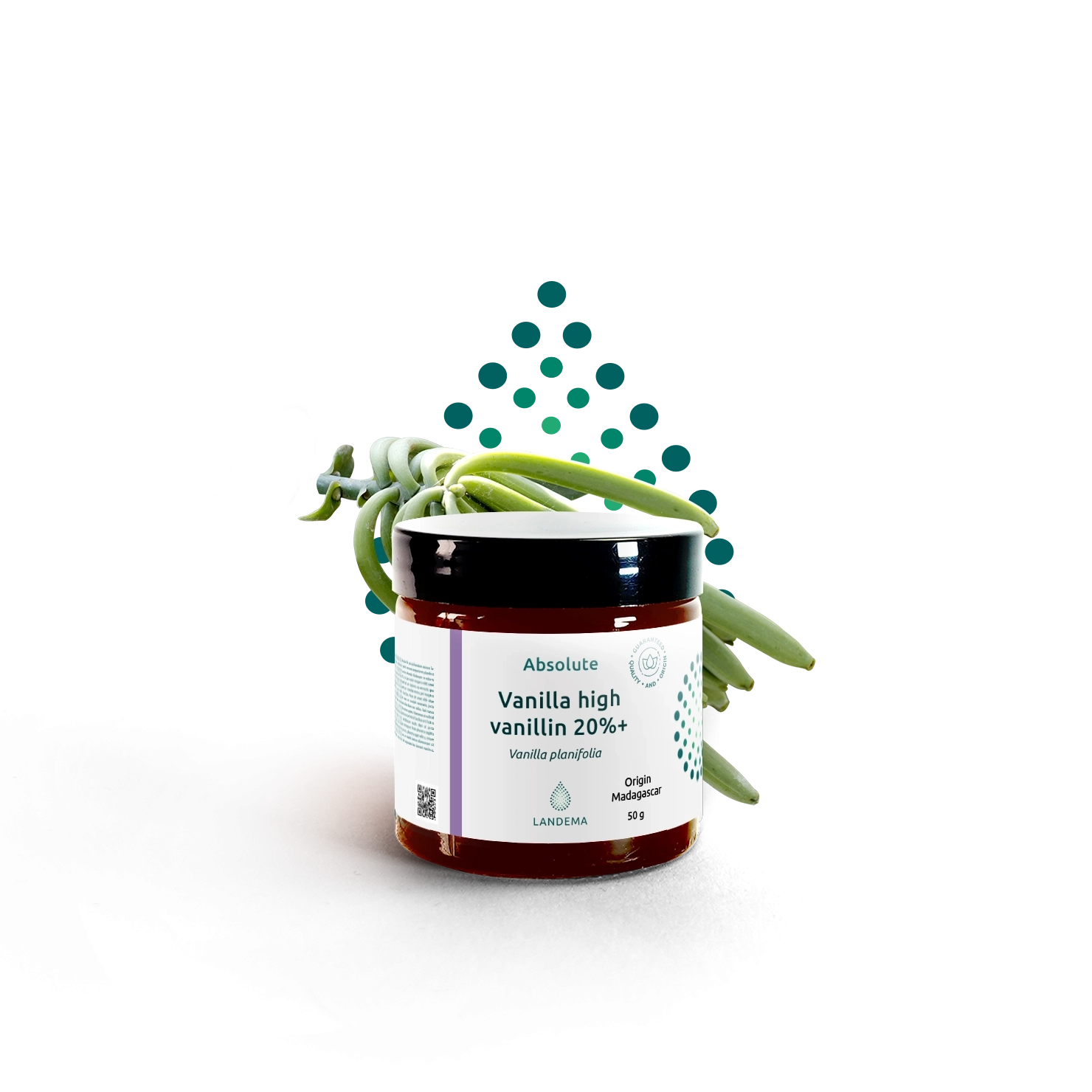

Vanilla high vanillin 20%+
Absolute
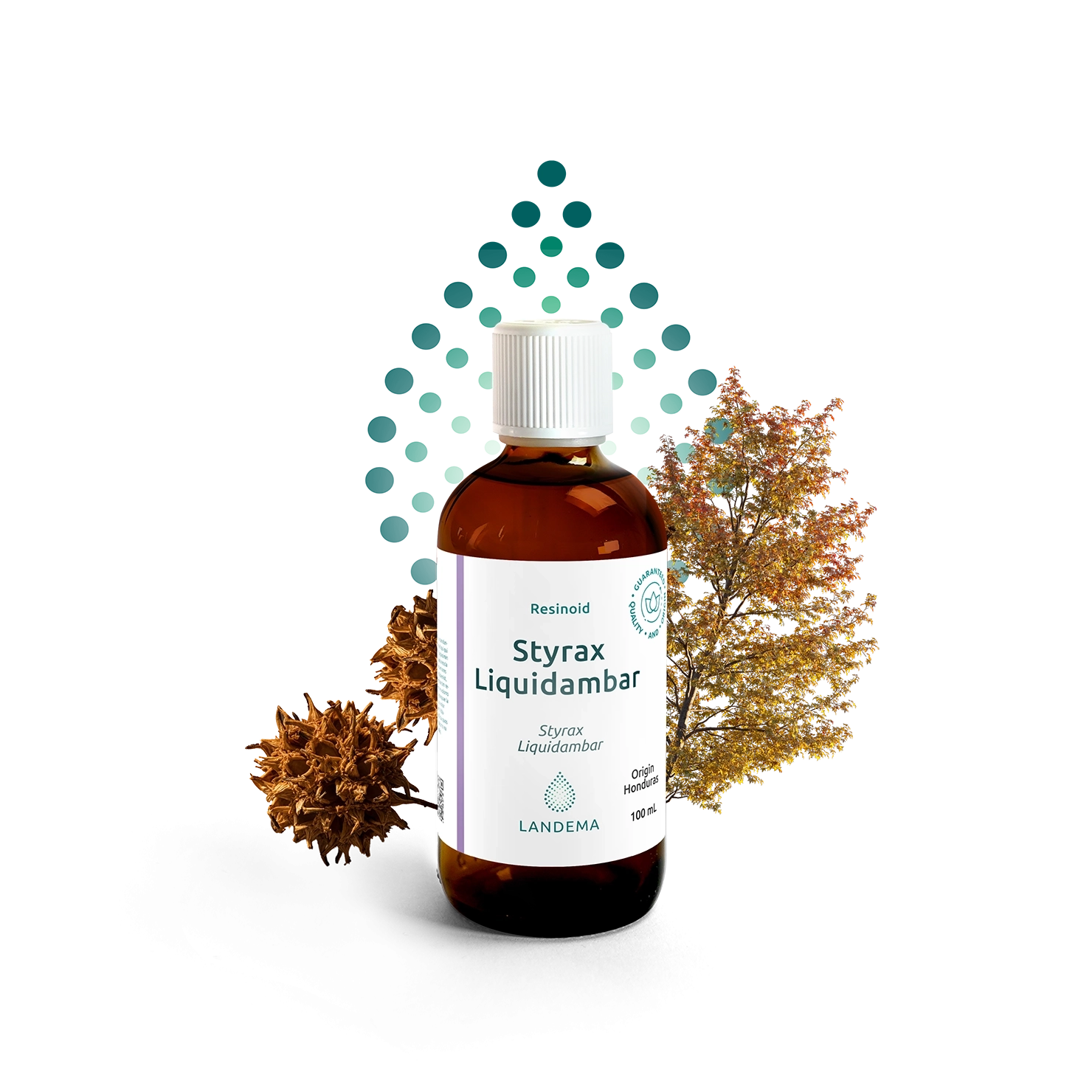

Styrax Liquidambar
Resinoid
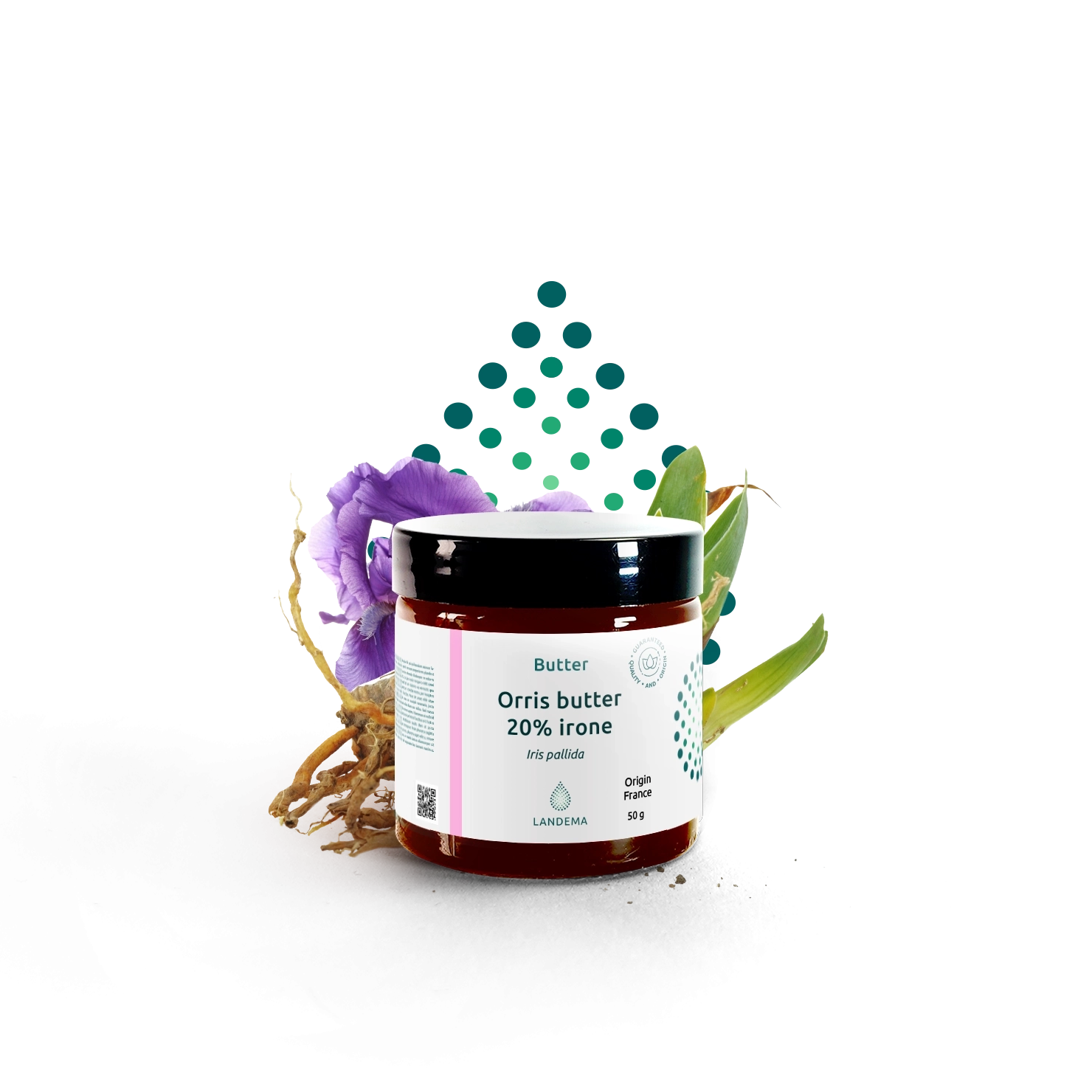
Orris butter 20% irone
Butter
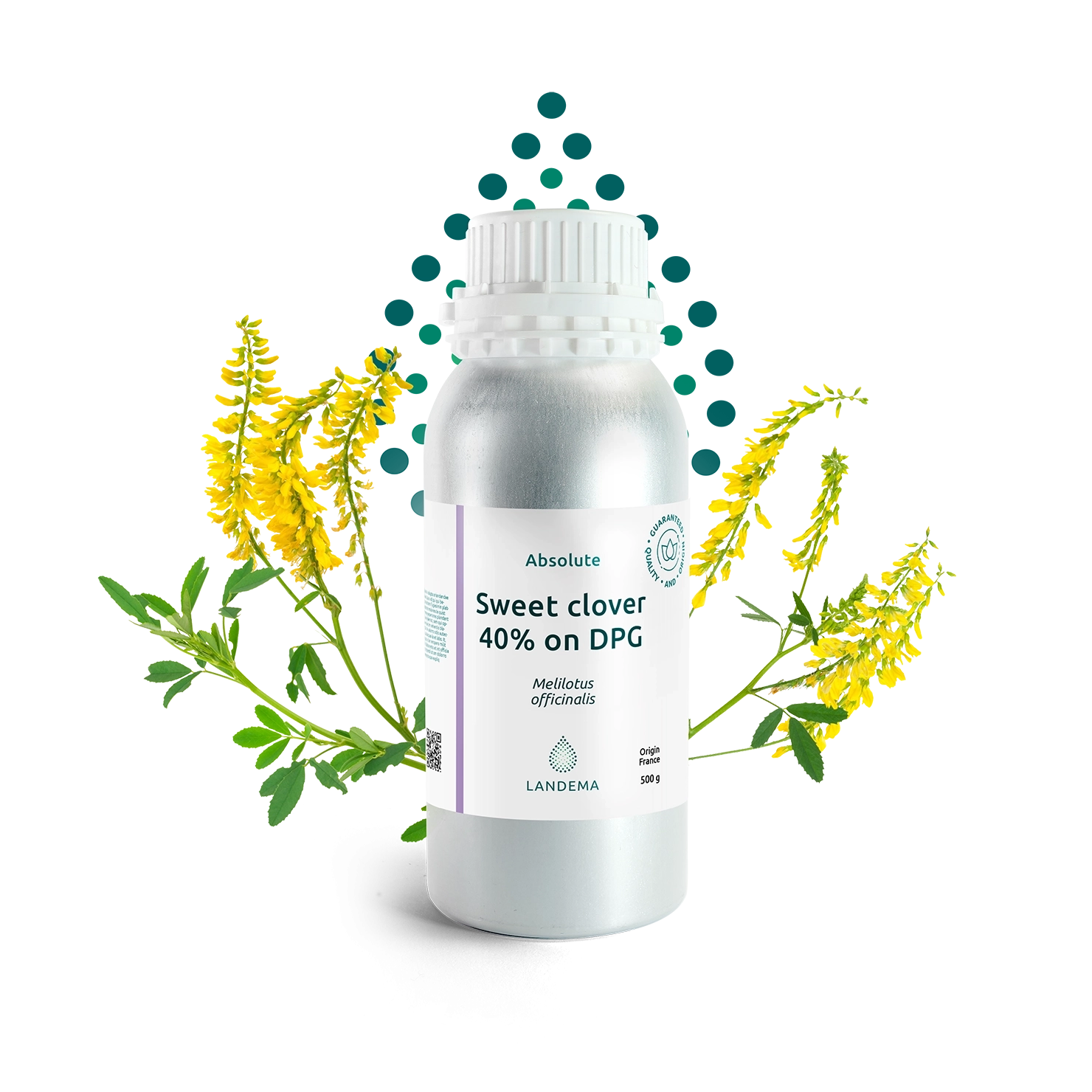
Sweet clover 40% on DPG
Absolute
Your wishlist
Secure payment


.svg)
.svg)
.svg)
.svg)
.svg)
.svg)