.svg)
Agriculture - Gardening
Our extracts
Our product of the moment
By use
Our product of the moment
sylius.ui.nav.a_question ?
Our customer service is always available to answer our customers' questions. Please feel free to contact us if you need assistance or have any questions. We are here to help.
sylius.ui.nav.contact_us
Milk thistle organic COSMOS
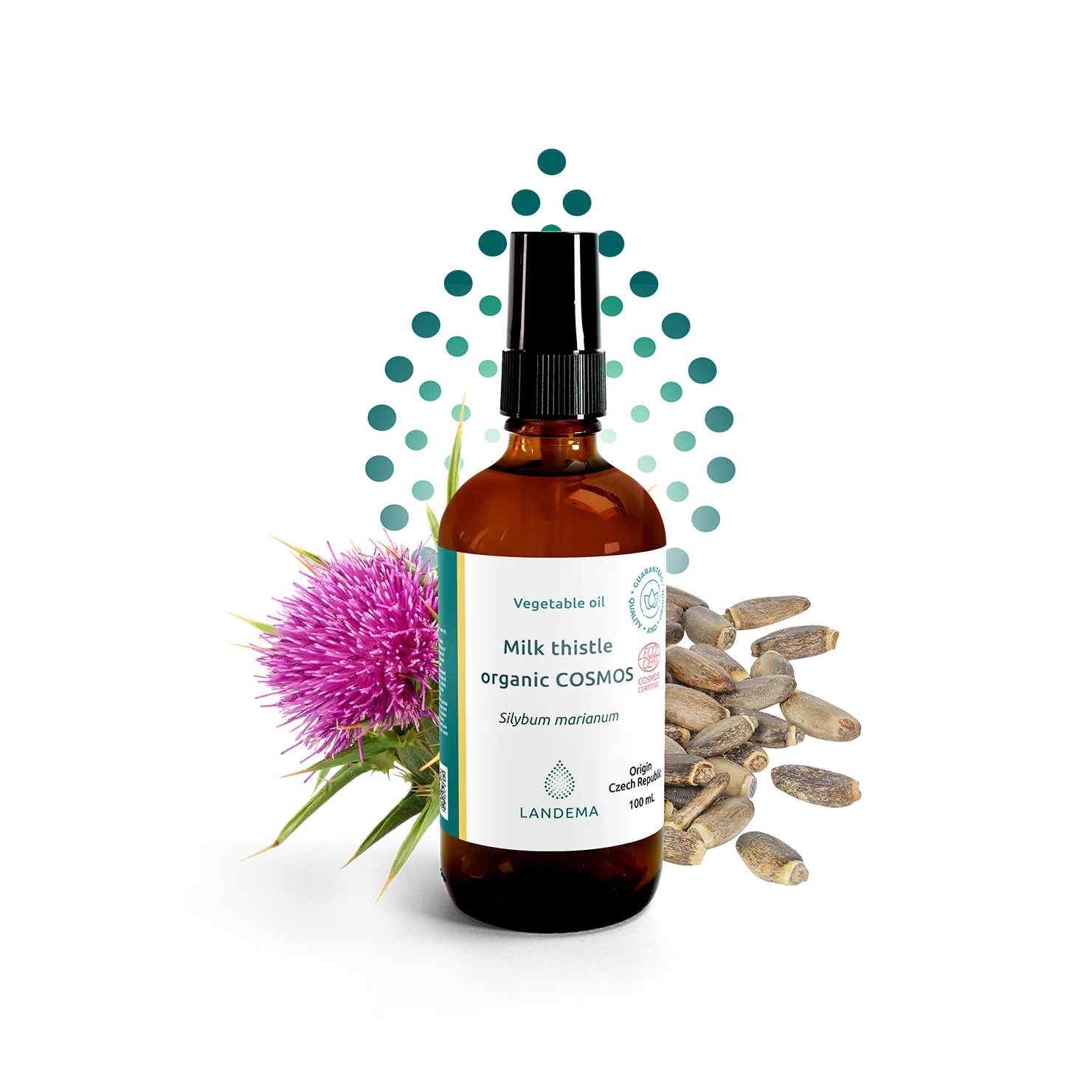
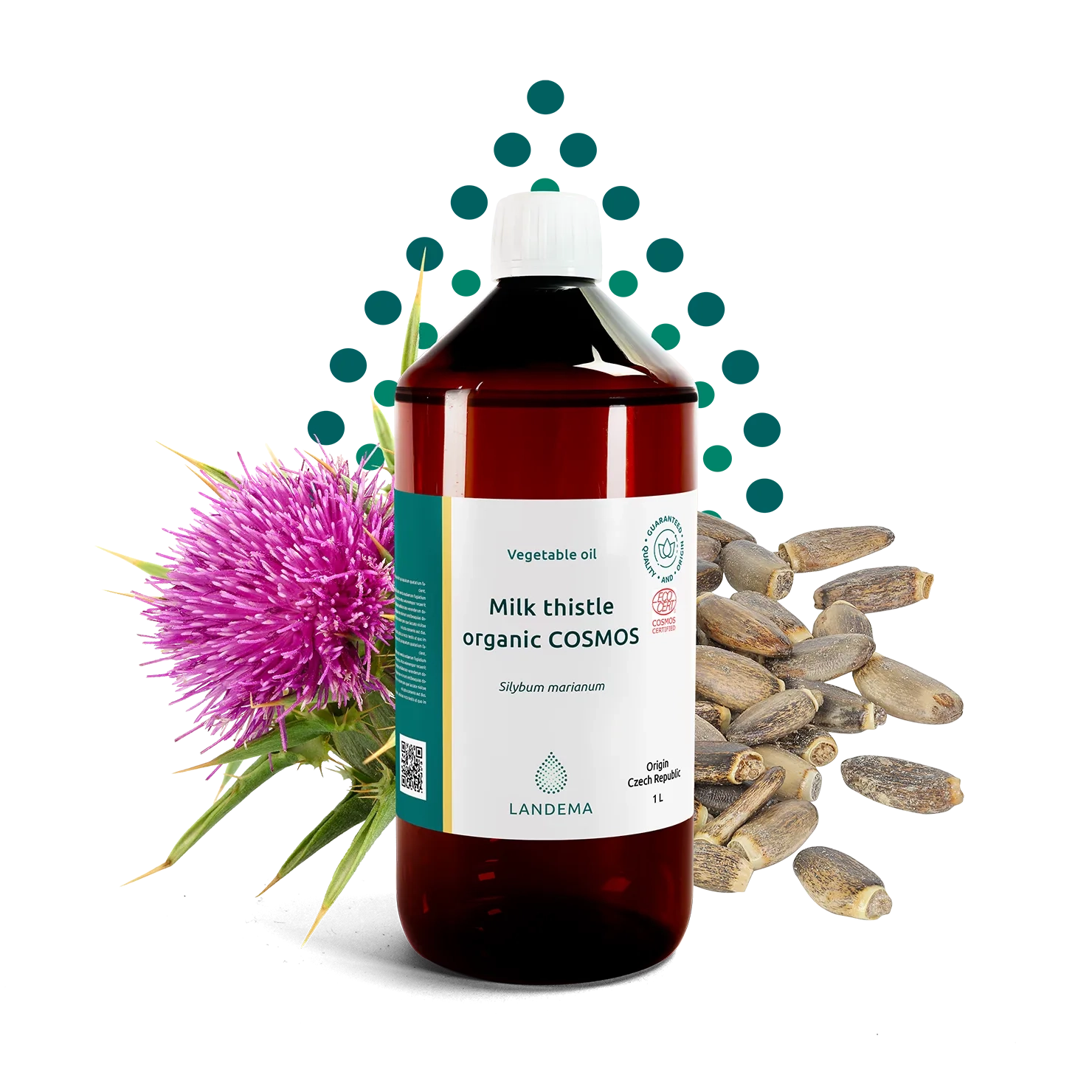
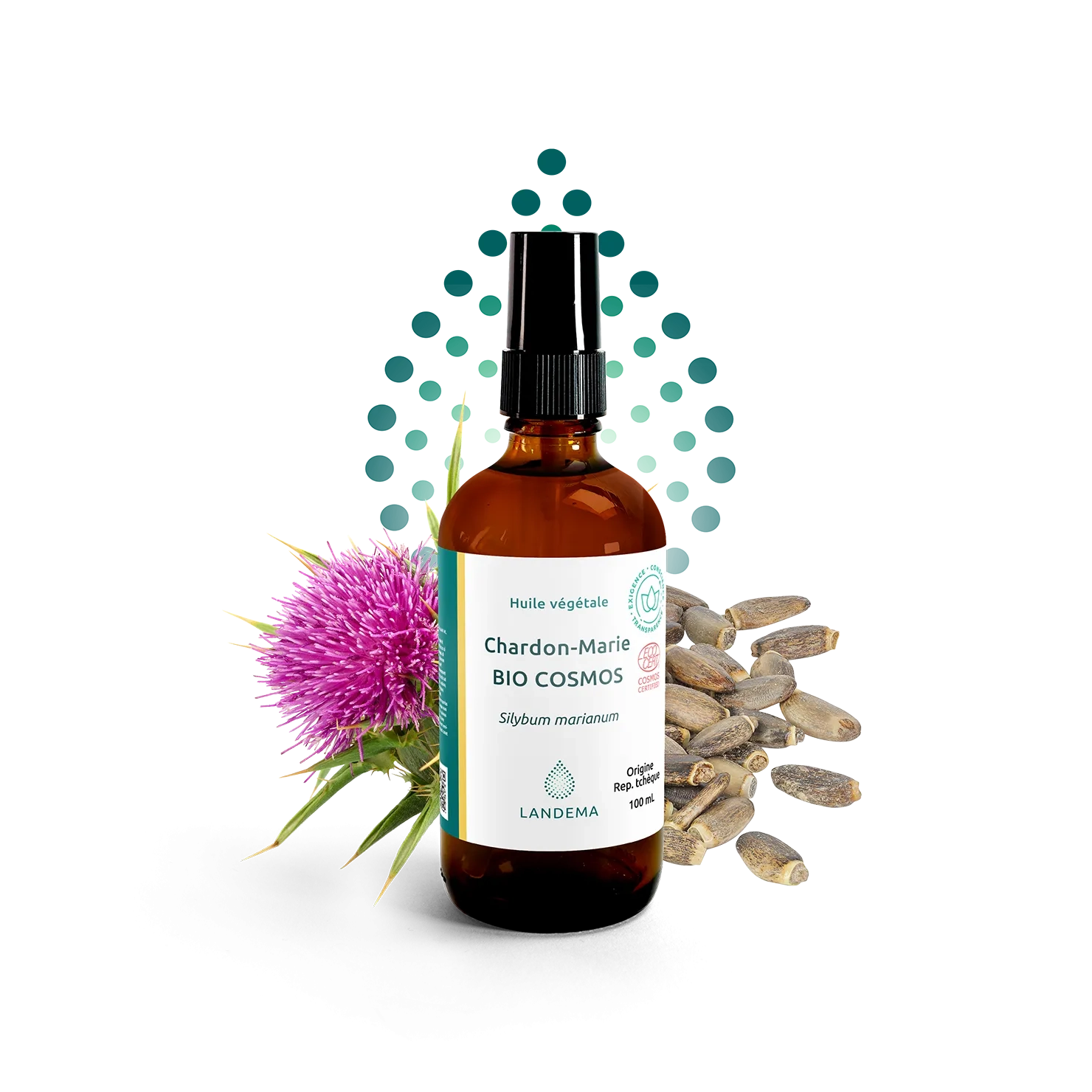
Cold-pressed from the seeds, milk thistle oil is rich in essential fatty acids (omega-6 and omega-9), vitamin E, and phytosterols. Its unique composition, similar to natural sebum, makes it highly compatible with the skin. In addition, it has a naturally sweet, pleasant, herbaceous and even floral fragrance.
Quickly absorbed, it leaves no greasy residue. It supports skin elasticity and enhances hydration, making it ideal for sensitive, dry, or mature skin care.
It blends easily into moisturizing, reparative, or soothing treatments, particularly for skin prone to redness, dermatitis, or discomfort. Also suitable for formulations targeting acne-prone or weakened skin.


Milk thistle has been used since antiquity for its therapeutic properties. Theophrastus first mentioned it in the 4th century BC under the name "Pternix." Later, in the 1st century AD, Dioscorides in his Materia Medica and Pliny in Historia Naturalis referred to it by the term "Silybum," which denotes an edible thistle in both Greek and Latin.
A Christian legend associates this plant with the Virgin Mary: while fleeing from Herod, she is said to have nursed the infant Jesus under a milk thistle bush. A few drops of her milk falling on the leaves would explain their characteristic white veins.
Milk thistle (Silybum marianum) is an annual plant from the Asteraceae family, native to the temperate belt of the Northern Hemisphere, from the Middle East to Western Europe, including the Balkans. It grows in dry, sunny regions on arid soils, up to an altitude of 700 meters.
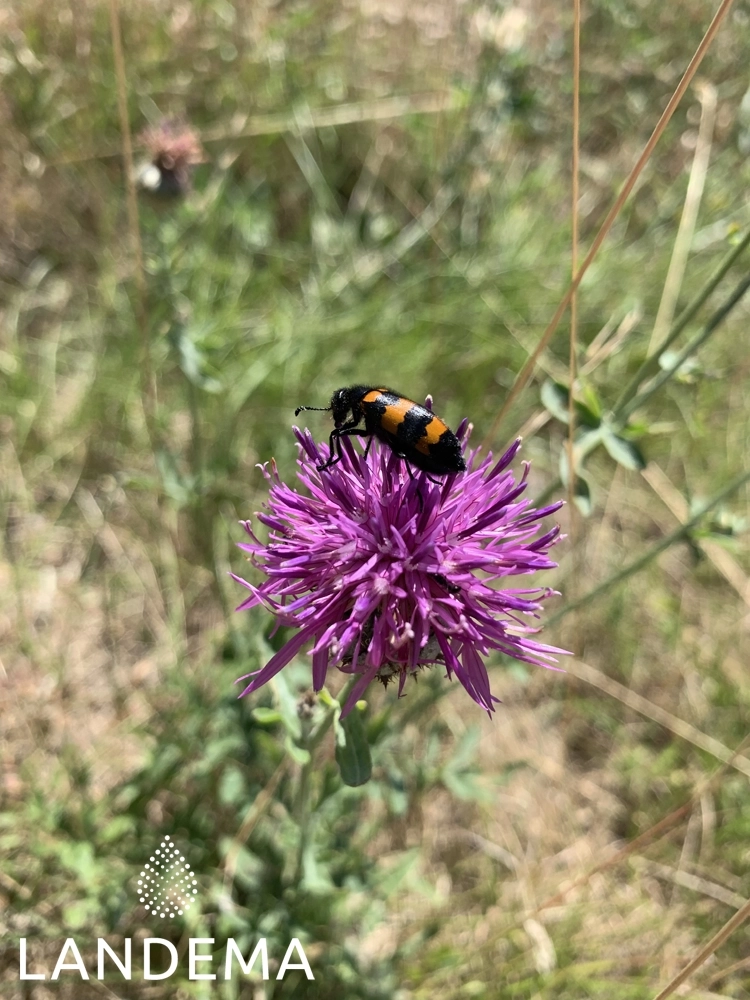
This plant is characterized by its red to purple flowers and shiny green leaves marked with white veins. It grows between 40 and 100 cm tall, with a slightly cottony, ribbed stem. Its hairless leaves, edged with spiny teeth, surround floral heads 4 to 5 cm in diameter that bloom from June to August.
Milk thistle oil is obtained by cold-pressing the seeds at a temperature below 60°C. This method preserves the active substances and prevents their degradation.
Linoleic acid (omega-6): 53 to 55%
Oleic acid (omega-9): 15-25%
It also contains phytosterols (1-2%), such as β-sitosterol, stigmasterol, and campesterol, which help maintain skin hydration. Among other components, the oil includes vitamin E (α-tocopherol at 511 mg/kg), small amounts of flavanolignans, and essential fatty acids like α-linolenic acid (< 2%). These proportions may vary depending on growing conditions and production techniques.
Retinol: 0.6 mg/kg
α-Tocopherol: 511 mg/kg
γ-Tocopherol: 87 mg/kg
β-Carotene: 0.2 mg/kg
Lutein: 0.5 mg/kg
 Cosmetics
Milk thistle oil is distinguished by its notable content of monoacylglycerols and diacylglycerols (types 1,2 and 1,3), present at levels of 1.5 to 3%. This particular composition gives the oil a high polarity, classifying it among the most polar vegetable oils, similar to avocado oil. Its low interfacial tension – measured at 16 mN/m between the aqueous and oily phases – facilitates its dispersion and promotes quick absorption by the skin.
On a physico-chemical level, this oil closely resembles natural sebum, which clearly differentiates it from mineral oils or weakly polar oils. Its rheological behavior is comparable to that of fatty acid esters combined with medium or long-chain alcohols, such as decyl oleate (ref. Buchta M., 2009).
The diffusion properties of milk thistle oil are largely attributed to the presence of mono- and diacylglycerols, as well as its relatively low melting point. Once applied, it leaves no sticky film or lasting greasy sensation, even when used at high concentrations in cosmetic formulations. It easily integrates into advanced formulations, especially for the care of mature or delicate skin.
Its richness in vitamin E, vitamin E derivatives, and phytosterols actively contributes to improving skin elasticity and water retention, thus enhancing skin hydration.
Thanks to these characteristics, this oil is perfectly suited for formulations intended for sensitive skin prone to chronic inflammation, psoriasis, atopic dermatitis, or acne.
| Botanical name : | Silybum marianum (L.) Gaertn. |
| CAS EINECS : | 84604-20-6 |
| CE number : | 283-298-7 |
| Commercial designation : | Milk thistle Organic vegetable oil COSMOS |
| Composition : | 100% pure and natural. Cold pressed. |
| Country of harvest : | CZECH REPUBLIC SLOVAKIA |
| Country of manufacturing : | CZECH REPUBLIC |
| Declared domestic use : | Ingredient |
| Flash point (°C) : | 228 |
| INCI Cosing : | Silybum marianum seed oil |
| Internal reference : | BCE1543 |
| Minimum shelf life (month) : | 12 |
| Part of the plant : | Seed |
| Product's Familly : | THISTLE |
| Registered in food inventories : | No |
| Regulated sale : | Non |
| Transport Data Dangerous Goods : | -// |
| Type of extract : | Vegetable oil |
Ingredient for cosmetic preparation, do not ingest.
Consult our guides: storage and preservation methods and precautions for use
Cold-pressed from the seeds, milk thistle oil is rich in essential fatty acids (omega-6 and omega-9), vitamin E, and phytosterols. Its unique composition, similar to natural sebum, makes it highly compatible with the skin. In addition, it has a naturally sweet, pleasant, herbaceous and even floral fragrance.
Quickly absorbed, it leaves no greasy residue. It supports skin elasticity and enhances hydration, making it ideal for sensitive, dry, or mature skin care.
It blends easily into moisturizing, reparative, or soothing treatments, particularly for skin prone to redness, dermatitis, or discomfort. Also suitable for formulations targeting acne-prone or weakened skin.
Milk thistle has been used since antiquity for its therapeutic properties. Theophrastus first mentioned it in the 4th century BC under the name "Pternix." Later, in the 1st century AD, Dioscorides in his Materia Medica and Pliny in Historia Naturalis referred to it by the term "Silybum," which denotes an edible thistle in both Greek and Latin.
A Christian legend associates this plant with the Virgin Mary: while fleeing from Herod, she is said to have nursed the infant Jesus under a milk thistle bush. A few drops of her milk falling on the leaves would explain their characteristic white veins.
Milk thistle (Silybum marianum) is an annual plant from the Asteraceae family, native to the temperate belt of the Northern Hemisphere, from the Middle East to Western Europe, including the Balkans. It grows in dry, sunny regions on arid soils, up to an altitude of 700 meters.
This plant is characterized by its red to purple flowers and shiny green leaves marked with white veins. It grows between 40 and 100 cm tall, with a slightly cottony, ribbed stem. Its hairless leaves, edged with spiny teeth, surround floral heads 4 to 5 cm in diameter that bloom from June to August.
Milk thistle oil is obtained by cold-pressing the seeds at a temperature below 60°C. This method preserves the active substances and prevents their degradation.
Linoleic acid (omega-6): 53 to 55%
Oleic acid (omega-9): 15-25%
It also contains phytosterols (1-2%), such as β-sitosterol, stigmasterol, and campesterol, which help maintain skin hydration. Among other components, the oil includes vitamin E (α-tocopherol at 511 mg/kg), small amounts of flavanolignans, and essential fatty acids like α-linolenic acid (< 2%). These proportions may vary depending on growing conditions and production techniques.
Retinol: 0.6 mg/kg
α-Tocopherol: 511 mg/kg
γ-Tocopherol: 87 mg/kg
β-Carotene: 0.2 mg/kg
Lutein: 0.5 mg/kg
Cosmetics
Milk thistle oil is distinguished by its notable content of monoacylglycerols and diacylglycerols (types 1,2 and 1,3), present at levels of 1.5 to 3%. This particular composition gives the oil a high polarity, classifying it among the most polar vegetable oils, similar to avocado oil. Its low interfacial tension – measured at 16 mN/m between the aqueous and oily phases – facilitates its dispersion and promotes quick absorption by the skin.
On a physico-chemical level, this oil closely resembles natural sebum, which clearly differentiates it from mineral oils or weakly polar oils. Its rheological behavior is comparable to that of fatty acid esters combined with medium or long-chain alcohols, such as decyl oleate (ref. Buchta M., 2009).
The diffusion properties of milk thistle oil are largely attributed to the presence of mono- and diacylglycerols, as well as its relatively low melting point. Once applied, it leaves no sticky film or lasting greasy sensation, even when used at high concentrations in cosmetic formulations. It easily integrates into advanced formulations, especially for the care of mature or delicate skin.
Its richness in vitamin E, vitamin E derivatives, and phytosterols actively contributes to improving skin elasticity and water retention, thus enhancing skin hydration.
Thanks to these characteristics, this oil is perfectly suited for formulations intended for sensitive skin prone to chronic inflammation, psoriasis, atopic dermatitis, or acne.
| Botanical name : | Silybum marianum (L.) Gaertn. |
| CAS EINECS : | 84604-20-6 |
| CE number : | 283-298-7 |
| Commercial designation : | Milk thistle Organic vegetable oil COSMOS |
| Composition : | 100% pure and natural. Cold pressed. |
| Country of harvest : | CZECH REPUBLIC SLOVAKIA |
| Country of manufacturing : | CZECH REPUBLIC |
| Declared domestic use : | Ingredient |
| Flash point (°C) : | 228 |
| INCI Cosing : | Silybum marianum seed oil |
| Internal reference : | BCE1543 |
| Minimum shelf life (month) : | 12 |
| Part of the plant : | Seed |
| Product's Familly : | THISTLE |
| Registered in food inventories : | No |
| Regulated sale : | Non |
| Transport Data Dangerous Goods : | -// |
| Type of extract : | Vegetable oil |
Ingredient for cosmetic preparation, do not ingest.
Consult our guides: storage and preservation methods and precautions for use
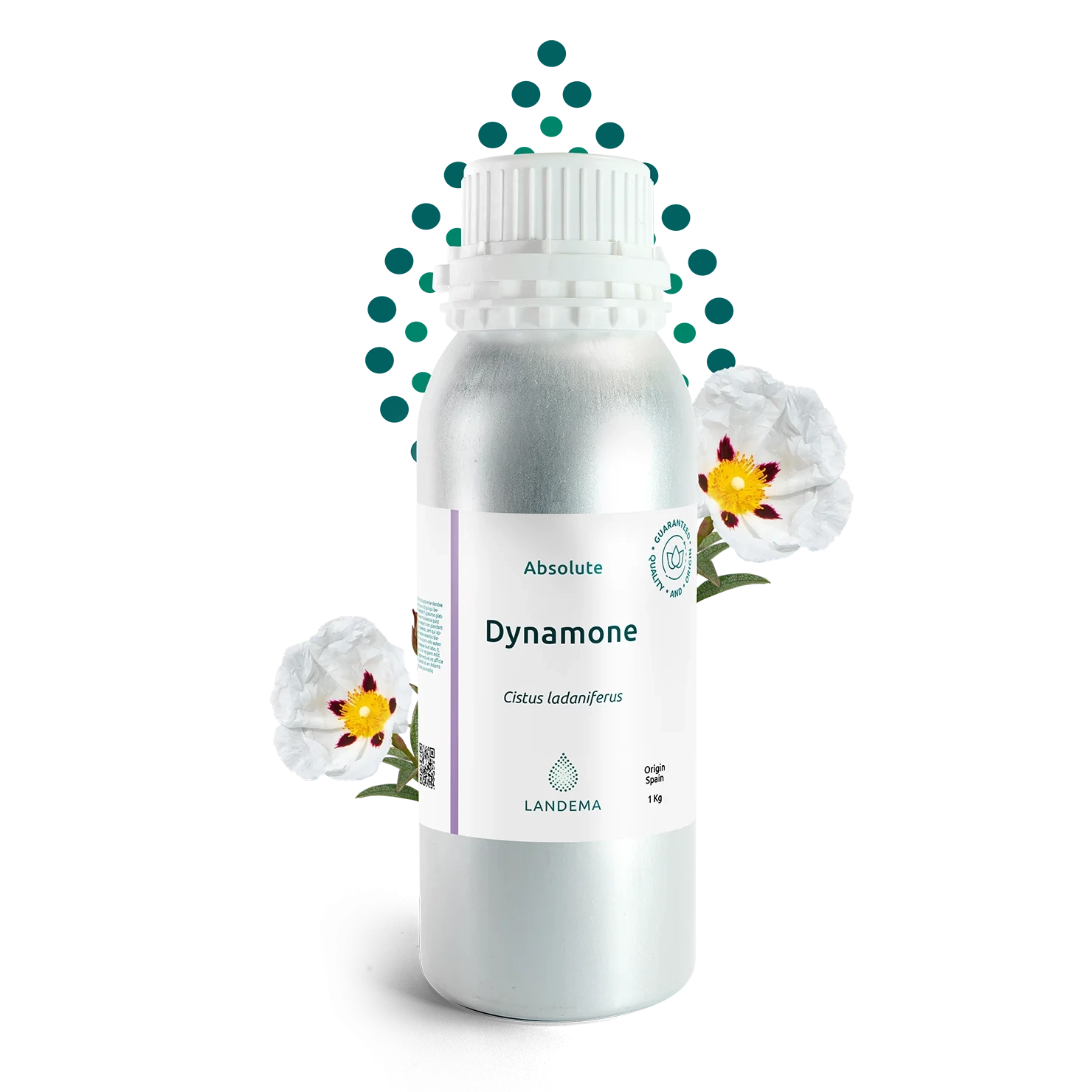
Dynamone
Absolute

Geranium bourbon ORG
Essential oil
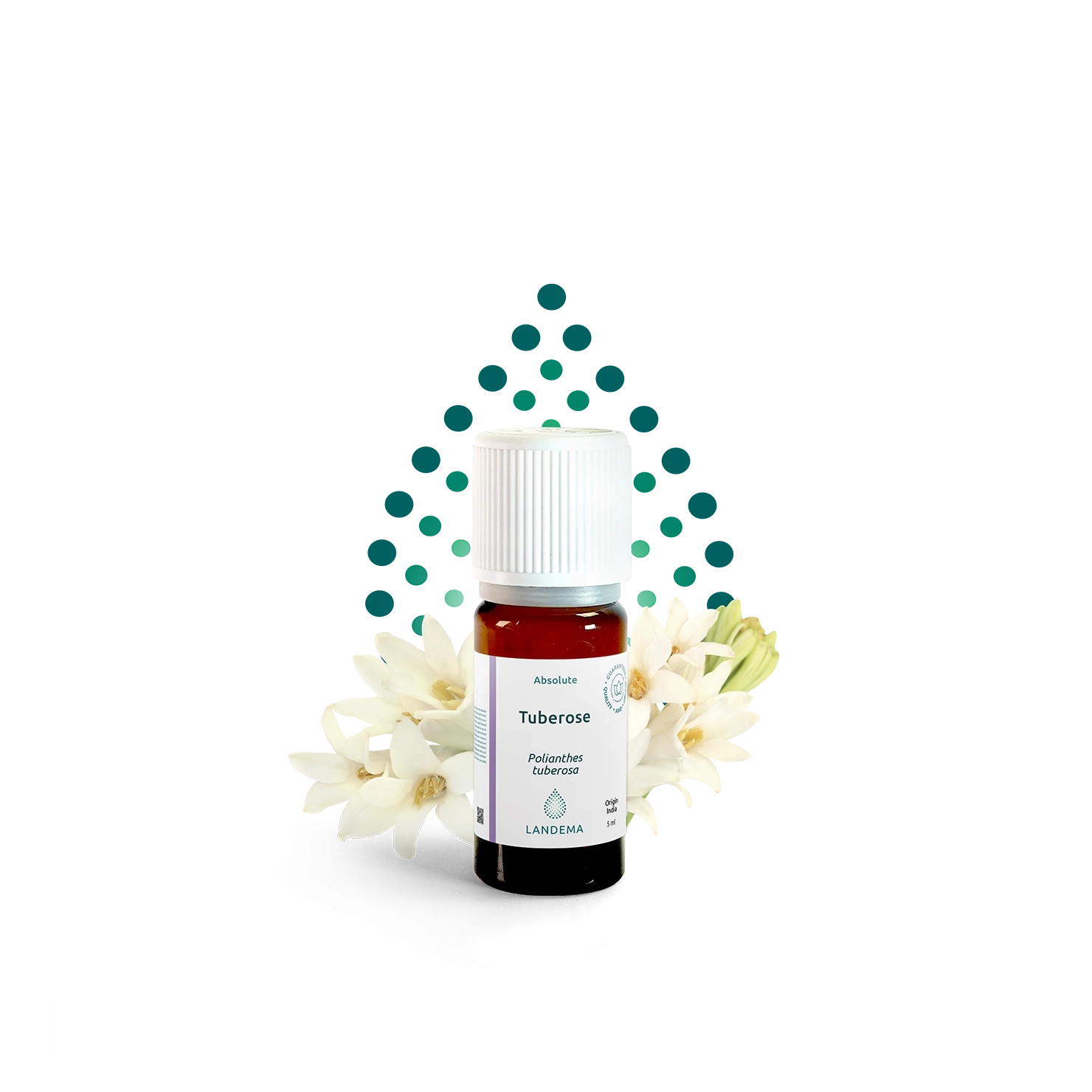
Tuberose
Absolute
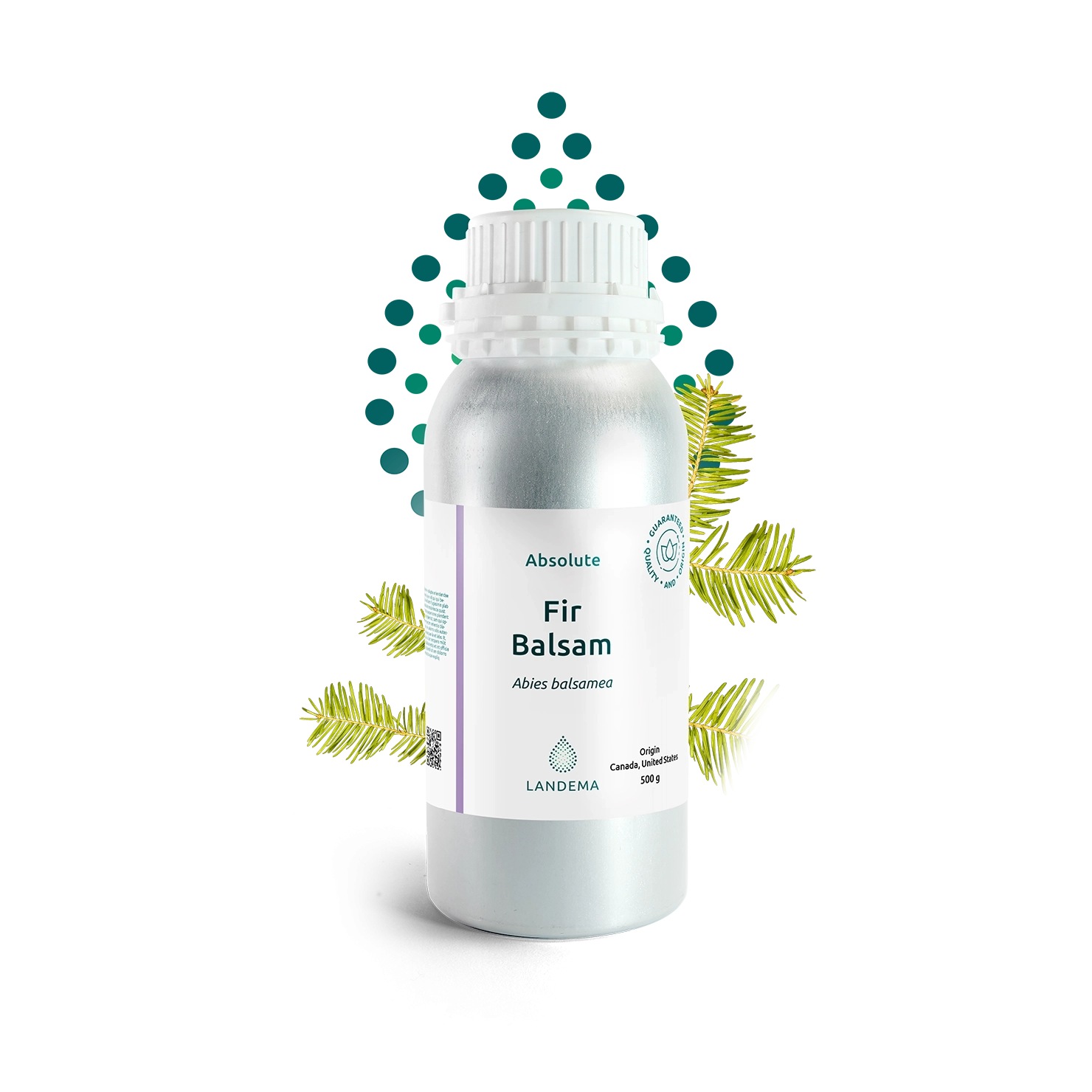
Fir Balsam
Absolute
Your wishlist
Secure payment


.svg)
.svg)
.svg)
.svg)
.svg)

.svg)