.svg)
Agriculture - Gardening
Our extracts
Our product of the moment
By use
Our product of the moment
sylius.ui.nav.a_question ?
Our customer service is always available to answer our customers' questions. Please feel free to contact us if you need assistance or have any questions. We are here to help.
sylius.ui.nav.contact_us
White mugwort (Armoise)
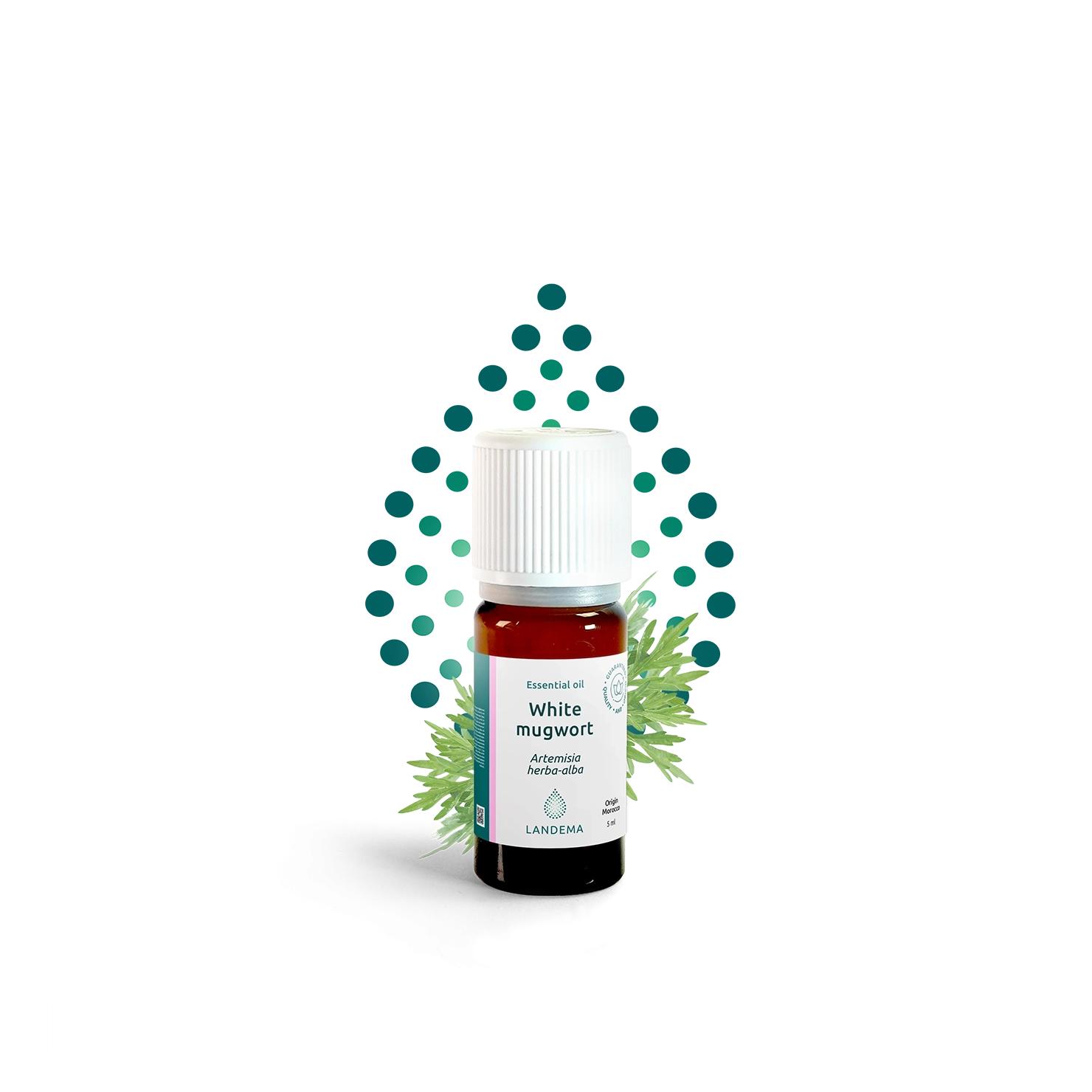
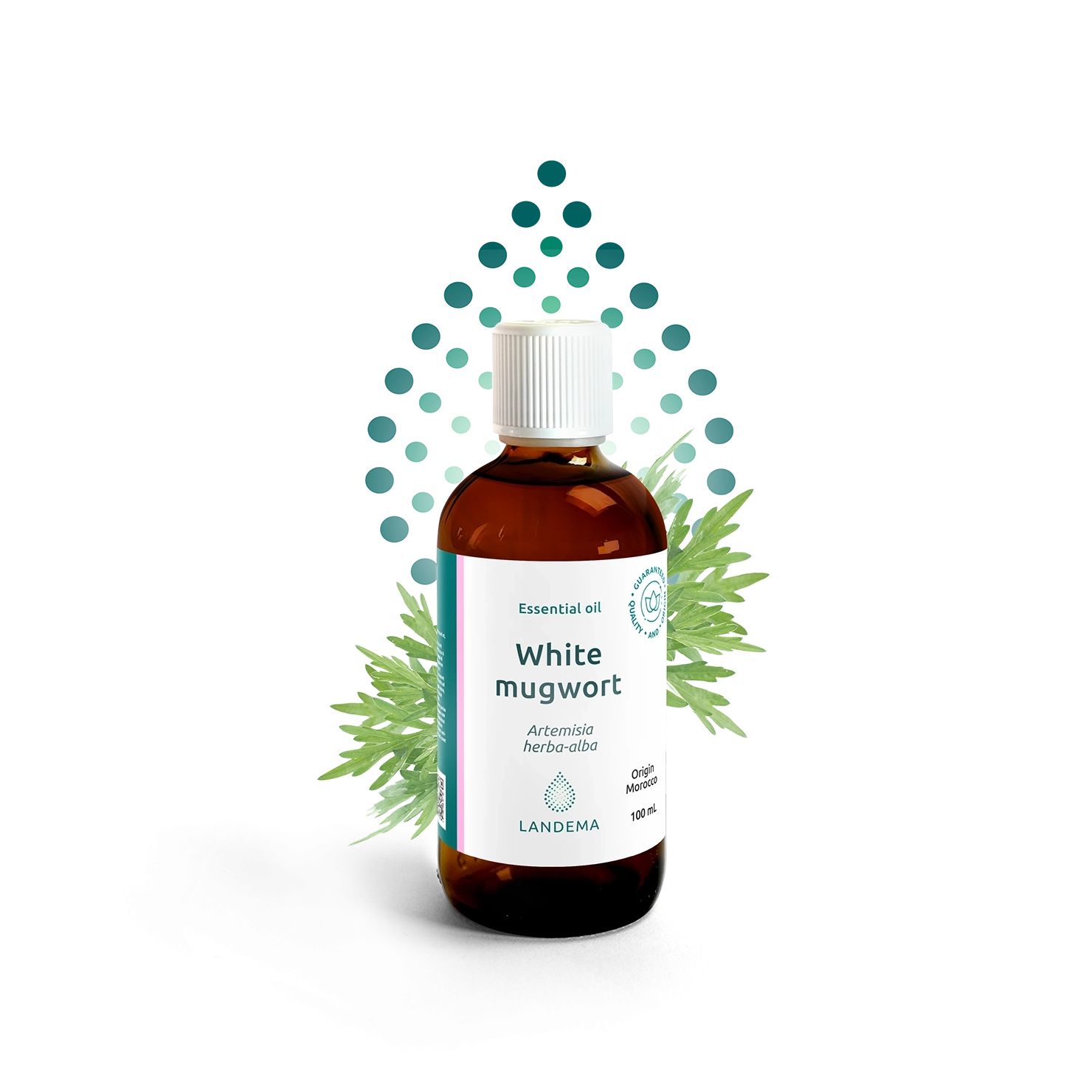
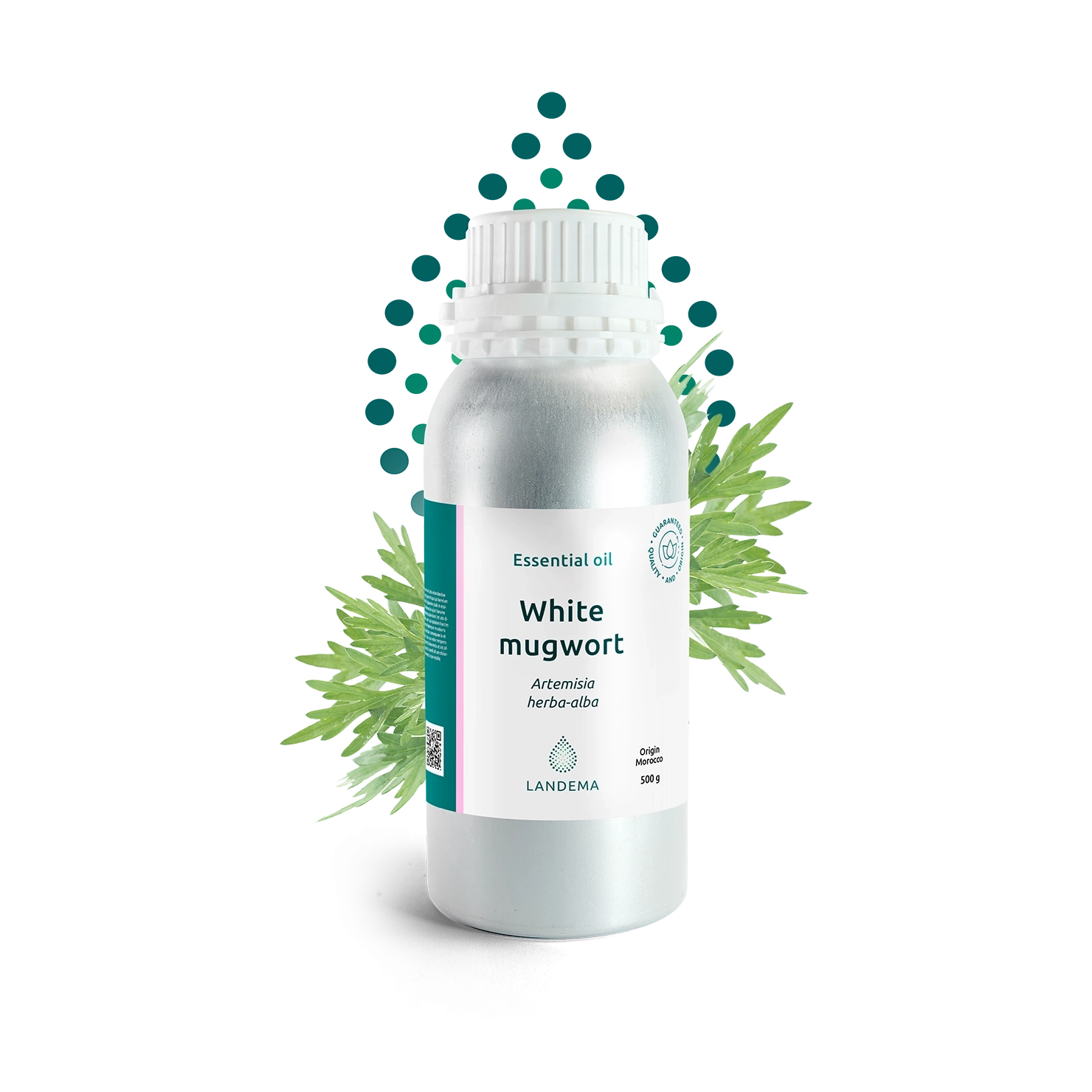
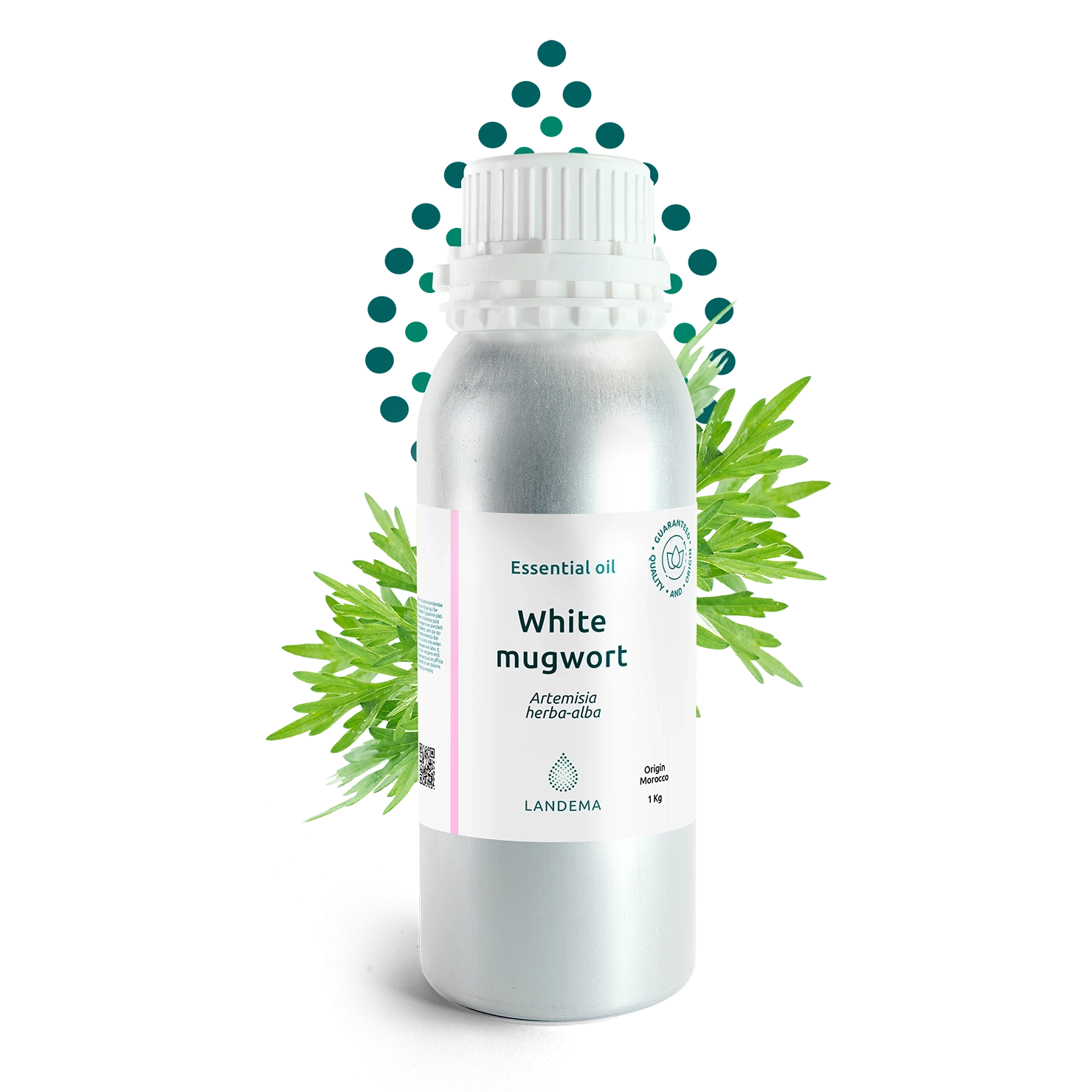
Harvested in the High Atlas and steam-distilled, our white mugwort essential oil (“armoise blanche”) is traceable and documented. Its fresh, camphoraceous, green profile makes it a choice ingredient for perfumery, controlled flavoring projects, or formulations seeking a green, dry signature. An essence with character, intended for exacting creators.
For professional use only.
Sales to consumers are limited to pharmacies.
NB: For technical reasons, the bottle used for the 1 mL size has a capacity of approximately 4 mL, so it is normal for it to be filled to about one quarter. Filling is carried out with precise, calibrated laboratory equipment.
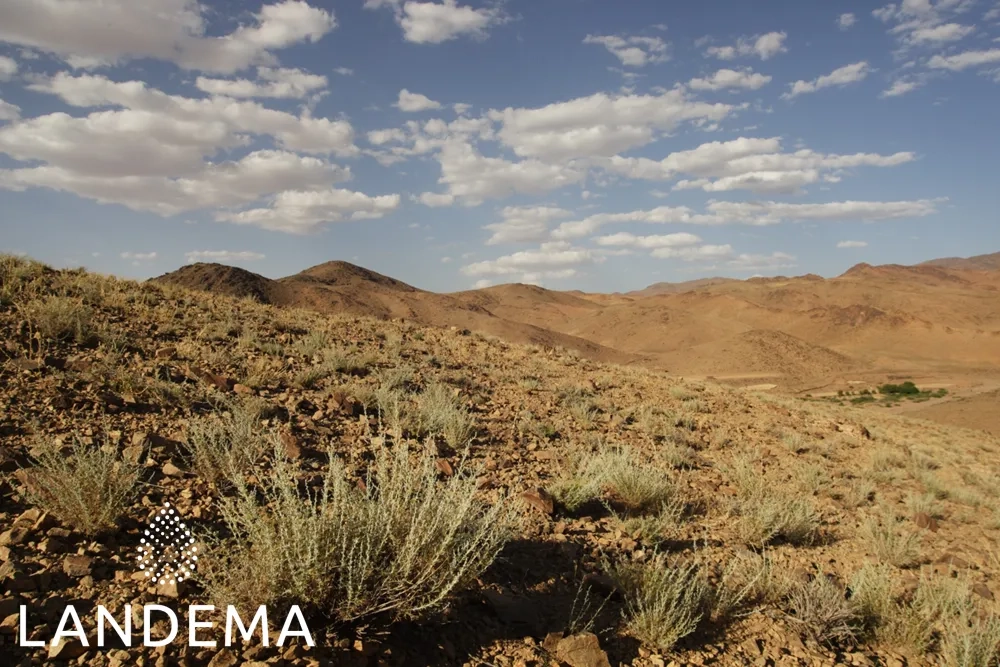
Mugwort (Artemisia herba-alba) is a wild, aromatic plant that thrives in the dry, mountainous regions of southeastern Morocco, particularly in the High Atlas where it naturally colonizes vast stretches of land. Local villagers set up camps in the desert during the harvest season, in accordance with government concessions designed to preserve ecological balance.
Mugwort growth varies with winter and spring rainfall, which influences the quality and concentration of its active compounds—most notably thujone, a key component used in perfumery.
Selection of harvest areas and manual picking of the aerial parts richest in essence, at the optimal stage
Steam distillation in stills over several hours, until aromatic exhaustion
Decanting, then separation of the oil phase and the aqueous phase
Filtration of the essential oil
Chromatographic analyses (GC/FID, GC/MS) and lot-level traceability, ensuring compliance and botanical identity
 Perfumery
In perfumery, mugwort essential oil stands out for its fresh, mentholated, and lightly camphoraceous facets, imparting a vegetal, mineral character. It is especially sought after in fougère accords and colognes, delivering a persistent top-note freshness. Its earthier, woodier tones—owing to its camphor content—also enrich natural, pastoral compositions.
 Food - Flavor
Although mugwort essential oil has a pronounced aromatic profile, it is seldom used in food due to its high thujone content. When incorporated into preparations, it brings herbal, camphoraceous, and slightly bitter nuances reminiscent of certain traditional spirits and liqueurs. It can, for example, be used to:
Add a distinctive touch to craft apéritifs and liqueurs.
Enhance savory Mediterranean dishes, alongside thyme or rosemary.
Evoke old-world flavors.
Its use nevertheless remains reserved for knowledgeable professionals, in compliance with applicable regulations.
 Aromatherapy :
The biochemical composition of mugwort essential oil makes it a specific raw material, used with caution in aromatherapy:
These molecules define its camphoraceous scent and lively aromatic character. Because of the high thujone content, aromatherapeutic use is reserved for professionals, with careful dosing and appropriate routes of application.
| Botanical name : | Artemisia herba-alba Asso. |
| CAS EINECS : | -/84775-75-7 |
| CAS TSCA : | 8022-37-5 |
| CE number : | 946-604-6/283-905-5 |
| COE : | 2011 |
| Commercial designation : | White mugwort Essential oil Morocco |
| Composition : | 100% Chemotyped |
| Country of harvest : | MOROCCO |
| Country of manufacturing : | MOROCCO |
| Declared domestic use : | Food flavor |
| FDA : | - |
| FEMA GRAS : | - |
| Flash point (°C) : | 57 |
| INCI Cosing : | 100% ARTEMISIA HERBA-ALBA OIL |
| Internal reference : | P00628193000 |
| Minimum shelf life (month) : | 24 |
| Part of the plant : | Aerial part |
| Product's Familly : | ARMOISE |
| Registered in food inventories : | Yes |
| Regulated sale : | Oui - PHARMA |
| Transport Data Dangerous Goods : | 3/III/1993 |
| Type of extract : | Essential oil |
The retail sale and any dispensing to the public of essential oils listed by decree (article L4211-1 of the Public Health Code and list in article D4211-13 of the CSP), including Mugwort essential oil (Artemisia herba-alba), as well as their dilutions and preparations, are exclusively reserved for pharmaceutical establishments, except for cosmetic products, household products, and food or beverage items.
Nocif pour les organismes aquatiques, entraîne des effets néfastes à long terme.
| Harmful to aquatic life with long lasting effects. |
Risque présumé d'effets graves pour les organes.
May cause damage to organs.
Provoque une sévère irritation des yeux.
Causes serious eye irritation.
Peut provoquer une allergie cutanée.
May cause an allergic skin reaction.
Provoque une irritation cutanée.
Causes skin irritation.
Nocif en cas d'ingestion.
Harmful if swallowed.
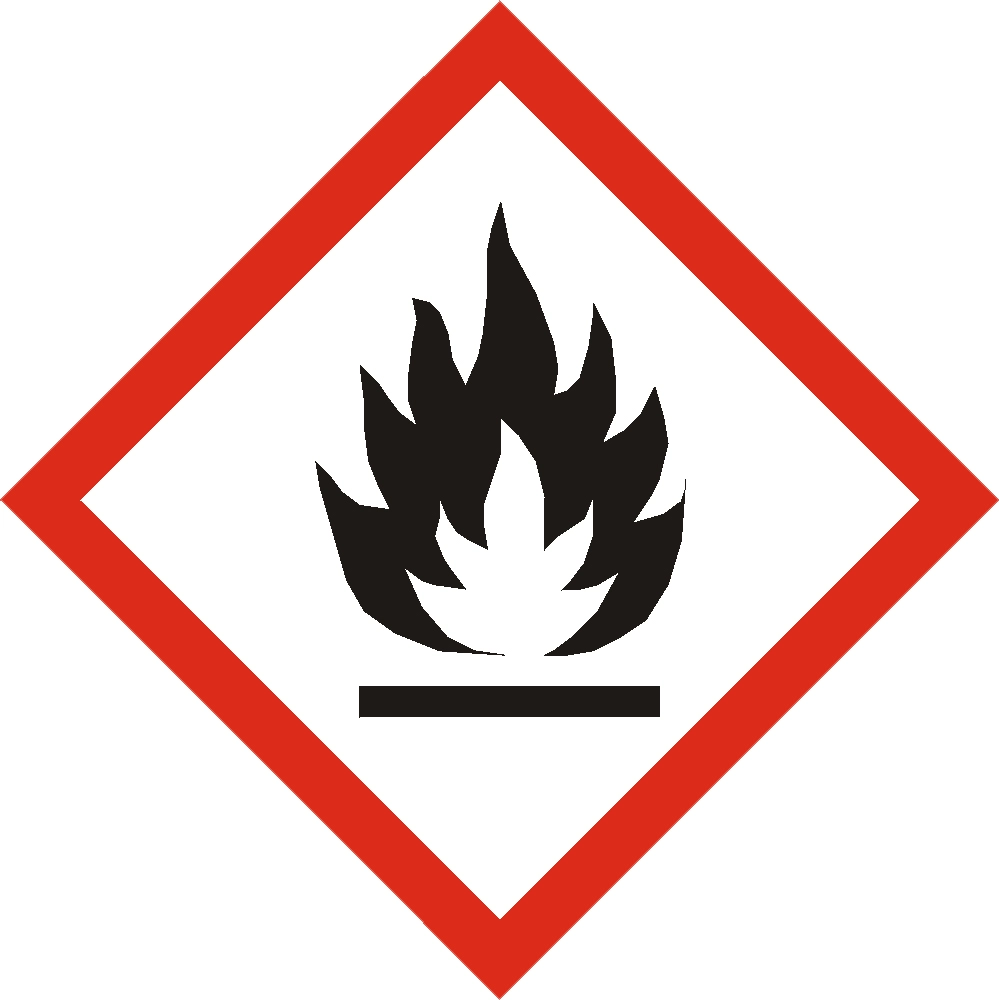
Liquide et vapeurs inflammables.
Flammable liquid and vapour.


Consult our guides: storage and preservation methods and precautions for use
Harvested in the High Atlas and steam-distilled, our white mugwort essential oil (“armoise blanche”) is traceable and documented. Its fresh, camphoraceous, green profile makes it a choice ingredient for perfumery, controlled flavoring projects, or formulations seeking a green, dry signature. An essence with character, intended for exacting creators.
For professional use only.
Sales to consumers are limited to pharmacies.
NB: For technical reasons, the bottle used for the 1 mL size has a capacity of approximately 4 mL, so it is normal for it to be filled to about one quarter. Filling is carried out with precise, calibrated laboratory equipment.
Mugwort (Artemisia herba-alba) is a wild, aromatic plant that thrives in the dry, mountainous regions of southeastern Morocco, particularly in the High Atlas where it naturally colonizes vast stretches of land. Local villagers set up camps in the desert during the harvest season, in accordance with government concessions designed to preserve ecological balance.
Mugwort growth varies with winter and spring rainfall, which influences the quality and concentration of its active compounds—most notably thujone, a key component used in perfumery.
Selection of harvest areas and manual picking of the aerial parts richest in essence, at the optimal stage
Steam distillation in stills over several hours, until aromatic exhaustion
Decanting, then separation of the oil phase and the aqueous phase
Filtration of the essential oil
Chromatographic analyses (GC/FID, GC/MS) and lot-level traceability, ensuring compliance and botanical identity
Perfumery
In perfumery, mugwort essential oil stands out for its fresh, mentholated, and lightly camphoraceous facets, imparting a vegetal, mineral character. It is especially sought after in fougère accords and colognes, delivering a persistent top-note freshness. Its earthier, woodier tones—owing to its camphor content—also enrich natural, pastoral compositions.
Food - Flavor
Although mugwort essential oil has a pronounced aromatic profile, it is seldom used in food due to its high thujone content. When incorporated into preparations, it brings herbal, camphoraceous, and slightly bitter nuances reminiscent of certain traditional spirits and liqueurs. It can, for example, be used to:
Add a distinctive touch to craft apéritifs and liqueurs.
Enhance savory Mediterranean dishes, alongside thyme or rosemary.
Evoke old-world flavors.
Its use nevertheless remains reserved for knowledgeable professionals, in compliance with applicable regulations.
Aromatherapy :
The biochemical composition of mugwort essential oil makes it a specific raw material, used with caution in aromatherapy:
These molecules define its camphoraceous scent and lively aromatic character. Because of the high thujone content, aromatherapeutic use is reserved for professionals, with careful dosing and appropriate routes of application.
| Botanical name : | Artemisia herba-alba Asso. |
| CAS EINECS : | -/84775-75-7 |
| CAS TSCA : | 8022-37-5 |
| CE number : | 946-604-6/283-905-5 |
| COE : | 2011 |
| Commercial designation : | White mugwort Essential oil Morocco |
| Composition : | 100% Chemotyped |
| Country of harvest : | MOROCCO |
| Country of manufacturing : | MOROCCO |
| Declared domestic use : | Food flavor |
| FDA : | - |
| FEMA GRAS : | - |
| Flash point (°C) : | 57 |
| INCI Cosing : | 100% ARTEMISIA HERBA-ALBA OIL |
| Internal reference : | P00628193000 |
| Minimum shelf life (month) : | 24 |
| Part of the plant : | Aerial part |
| Product's Familly : | ARMOISE |
| Registered in food inventories : | Yes |
| Regulated sale : | Oui - PHARMA |
| Transport Data Dangerous Goods : | 3/III/1993 |
| Type of extract : | Essential oil |
The retail sale and any dispensing to the public of essential oils listed by decree (article L4211-1 of the Public Health Code and list in article D4211-13 of the CSP), including Mugwort essential oil (Artemisia herba-alba), as well as their dilutions and preparations, are exclusively reserved for pharmaceutical establishments, except for cosmetic products, household products, and food or beverage items.
Nocif pour les organismes aquatiques, entraîne des effets néfastes à long terme.
| Harmful to aquatic life with long lasting effects. |
Risque présumé d'effets graves pour les organes.
May cause damage to organs.
Provoque une sévère irritation des yeux.
Causes serious eye irritation.
Peut provoquer une allergie cutanée.
May cause an allergic skin reaction.
Provoque une irritation cutanée.
Causes skin irritation.
Nocif en cas d'ingestion.
Harmful if swallowed.
Liquide et vapeurs inflammables.
Flammable liquid and vapour.
Consult our guides: storage and preservation methods and precautions for use
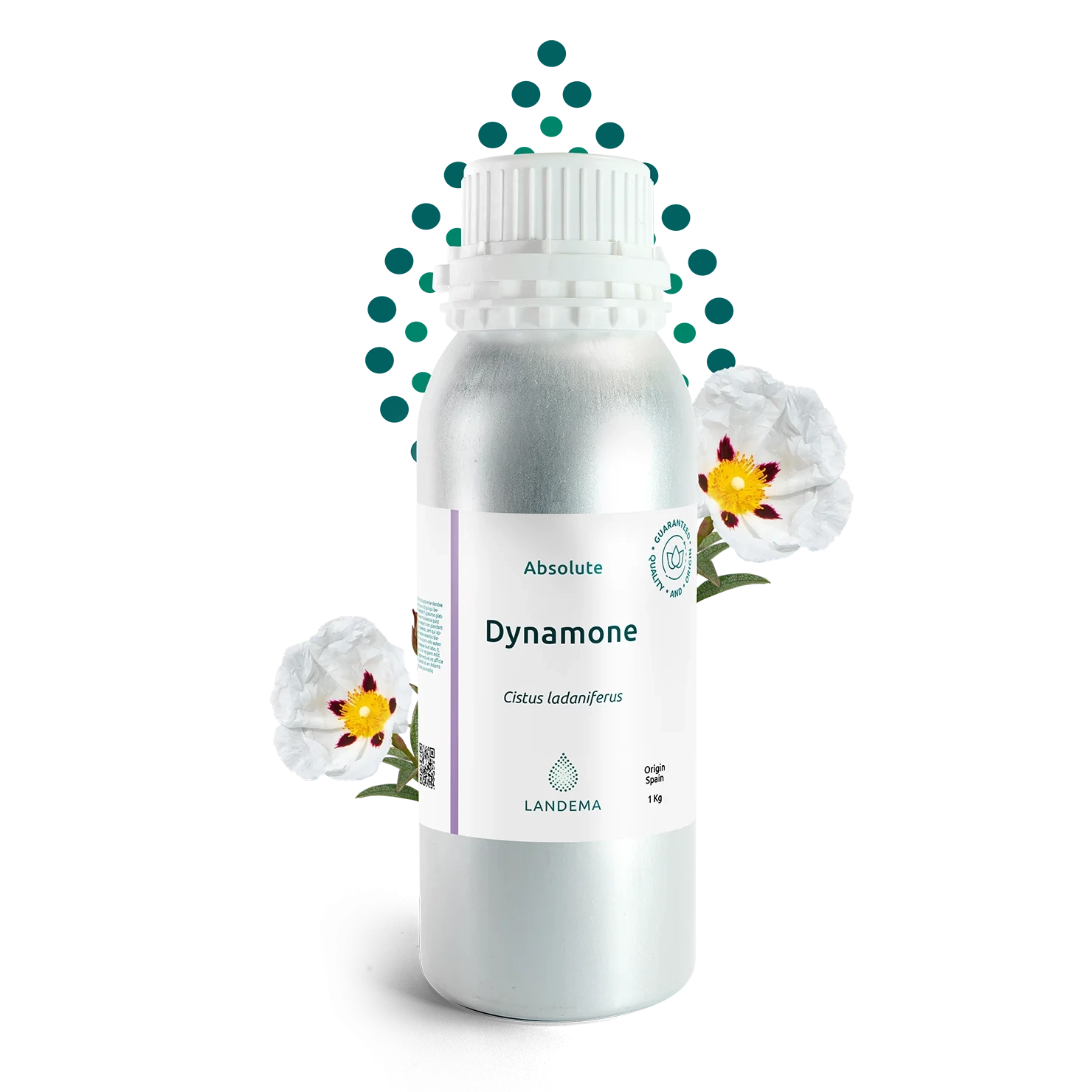
Dynamone
Absolute

Geranium bourbon ORG
Essential oil
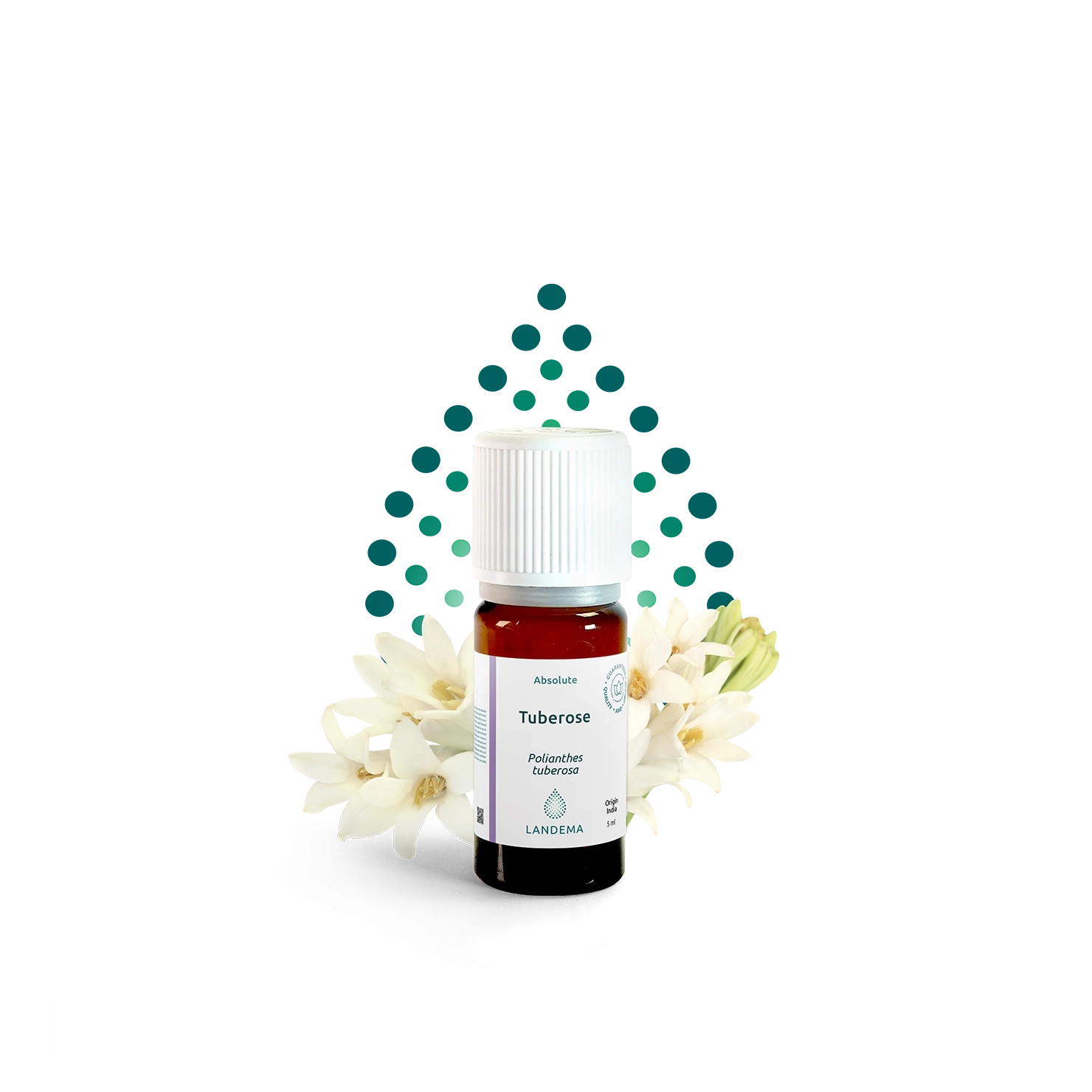
Tuberose
Absolute
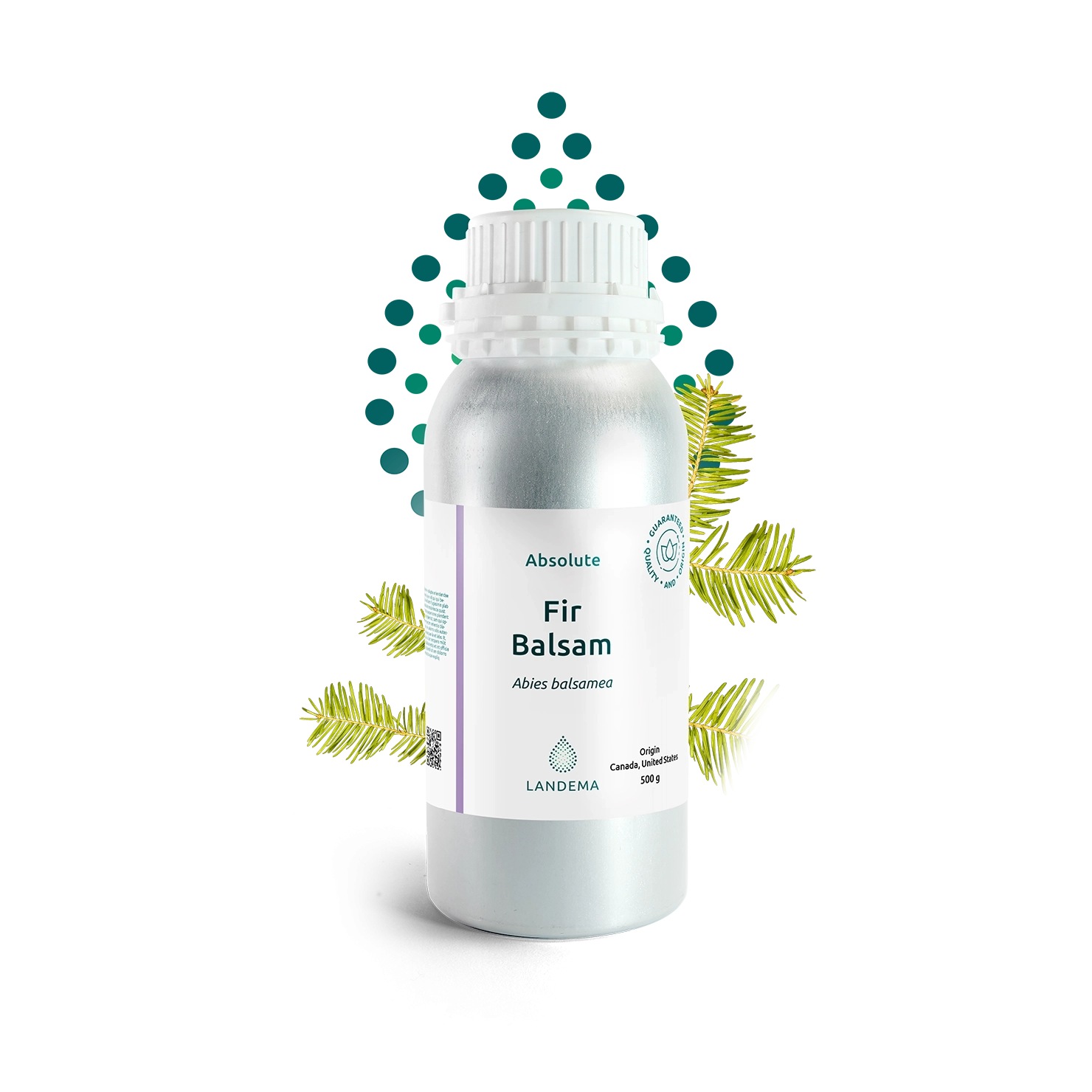
Fir Balsam
Absolute
Your wishlist
Secure payment


.svg)
.svg)
.svg)
.svg)
.svg)
.svg)