.svg)
Agriculture - Gardening
Our extracts
Our product of the moment
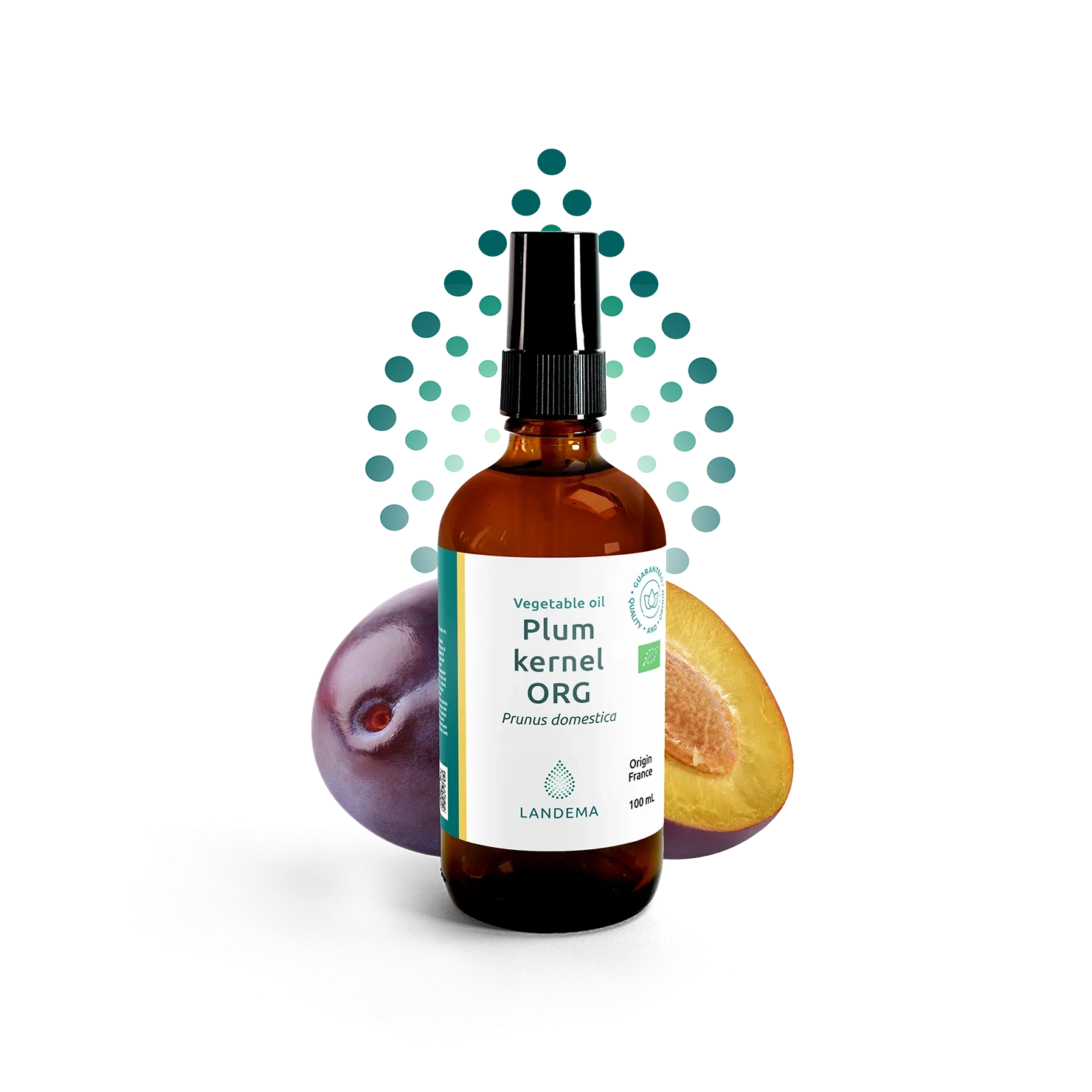
Plum kernel ORG
Vegetable oil
By use
Our product of the moment
Plum kernel ORG
Vegetable oil
sylius.ui.nav.a_question ?
Our customer service is always available to answer our customers' questions. Please feel free to contact us if you need assistance or have any questions. We are here to help.
sylius.ui.nav.contact_us
Rosemary cineol ORG
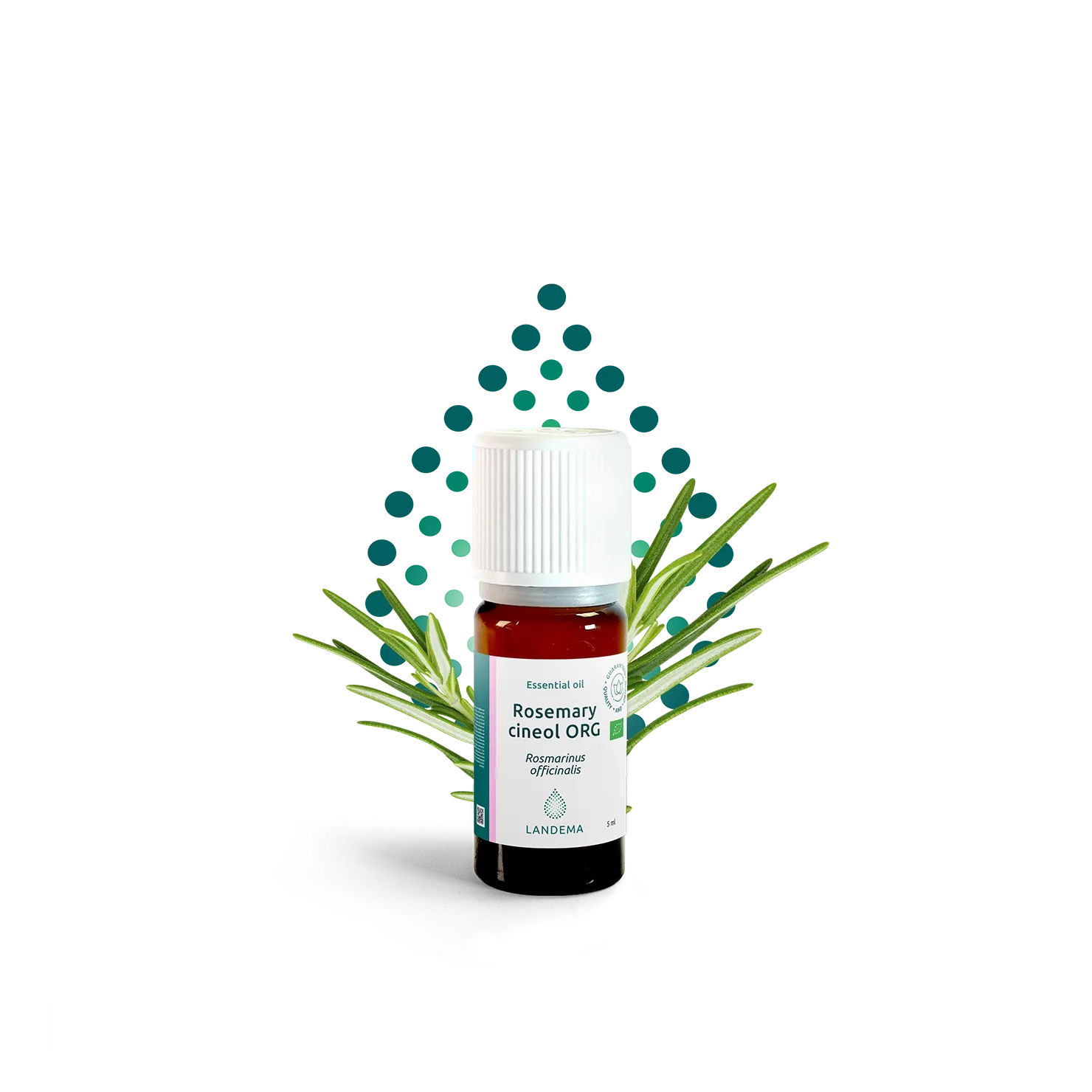
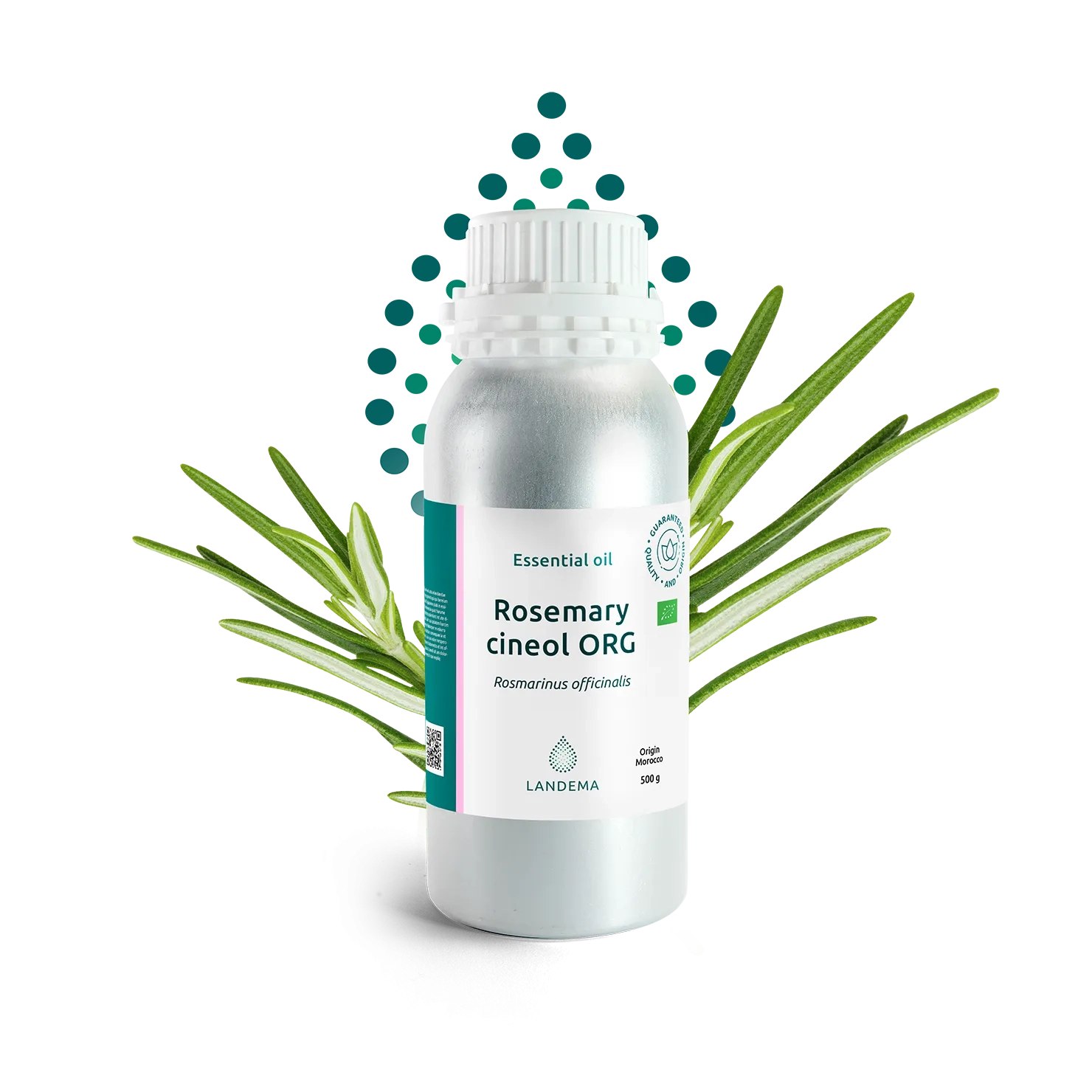
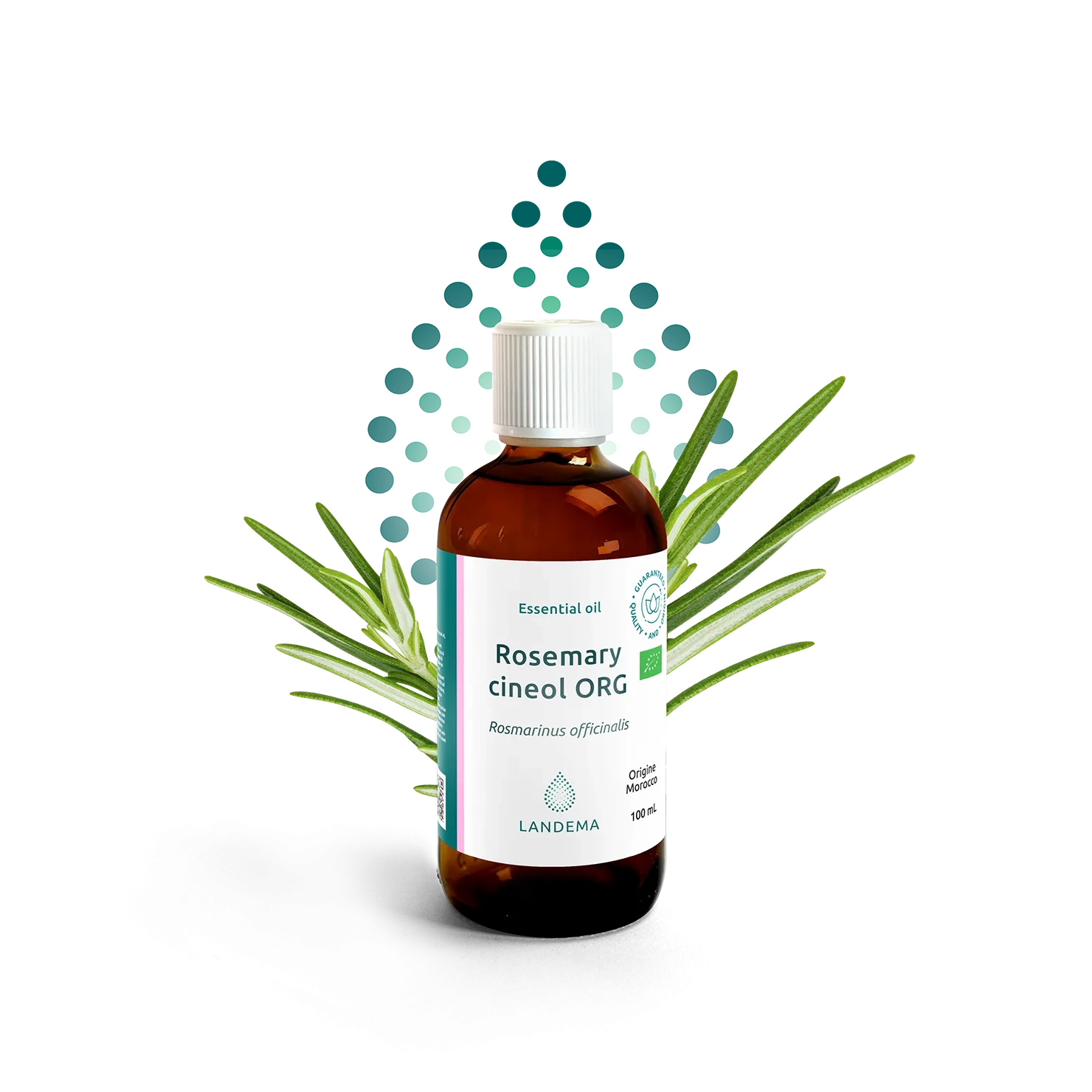

Our organic Rosemary cineol essential oil comes from sustainable supply chains, ensuring guaranteed quality and origin.


Cineole-type rosemary is a vigorous Mediterranean sub-shrub, cultivated for its persistent, fragrant flowering tops. It stands out from other rosemary chemotypes (camphor, verbenone, linalool) by its high concentration of 1,8-cineole. This chemotype thrives in hot, dry, and sunny climates, particularly in well-drained calcareous soils.
Our rosemary cineole essential oil is sourced from crops grown in Morocco. These plantations benefit from ideal climatic conditions that promote a high concentration of 1,8-cineole. Harvesting generally takes place just before flowering, when the volatile compound content is at its peak.
We source our cineole rosemary essential oil from a Moroccan partner.
 Perfumery
Cineole-type rosemary essential oil delivers a fresh, green, and vibrant top note, with subtly woody and spicy facets. It evokes the bright aromatic foliage of eucalyptus, with an elegant camphoraceous signature.
It is especially used in:
fougère, aromatic, and citrus accords,
masculine or unisex compositions with a tonic effect,
ambient fragrances inspired by the garrigue or Mediterranean forests.
 Food - Flavor
As a natural flavoring, cineole-type rosemary essential oil is used in very small amounts to intensify the herbal notes of a dish or preparation:
Typical uses:
in flavored oils, such as olive oil, to enhance salads, grilled meats, or focaccias,
in marinades for white meats, lamb, or fish,
in dry herb blends or condiments.
It adds a powerful, aromatic touch to your recipes, with an intensity far greater than that of fresh or dried leaves.
 Cosmetics
In cosmetics, cineole-type rosemary essential oil is used for its toning and refreshing effect. Its high eucalyptol content makes it a valued ingredient in skin and hair care:
Common application examples:
In shampoos or lotions for oily or dandruff-prone hair, for its purifying effect on the scalp.
In creams for combination or blemish-prone skin, in synergy with other balancing essential oils.
Included in gels or massage oils to tone heavy legs or after physical exertion.
Its penetrating, herbal scent is also sought after in personal hygiene products such as shower gels and natural deodorants.
 Aromatherapy :
Main components:
This profile, rich in oxides and monoterpenes, accounts for the many aromatic and technical properties of this essential oil.
| Botanical name : | Rosmarinus officinalis L. |
| CAS EINECS : | 84604-14-8 |
| CAS TSCA : | 8000-25-7 |
| CE number : | 283-291-9 |
| COE : | 406 |
| Commercial designation : | Rosemary cineol Essential oil Morocco ORG |
| Composition : | 100% pure, natural and integral. Chemotyped. |
| Country of harvest : | MOROCCO |
| Country of manufacturing : | MOROCCO |
| Declared domestic use : | Ingredient |
| FDA : | 182.20 |
| FEMA GRAS : | 2992 |
| Flash point (°C) : | 47 |
| INCI Cosing : | 100% ROSMARINUS OFFICINALIS LEAF OIL (Syn: ROSMARINUS OFFICINALIS FLOWER OIL) |
| Internal reference : | B805 |
| Minimum shelf life (month) : | 36 |
| Part of the plant : | Flowering top |
| Product's Familly : | ROSEMARY |
| Registered in food inventories : | Yes |
| Regulated sale : | Non |
| Transport Data Dangerous Goods : | 3/III/1197 |
| Type of extract : | Essential oil |
Toxique pour les organismes aquatiques, entraîne des effets néfastes à long terme.
Toxic to aquatic life with long lasting effects.
Risque présumé d'effets graves pour les organes.
May cause damage to organs.
Provoque une sévère irritation des yeux.
Causes serious eye irritation.
Peut provoquer une allergie cutanée.
May cause an allergic skin reaction.
Provoque une irritation cutanée.
Causes skin irritation.
Peut être mortel en cas d'ingestion et de pénétration dans les voies respiratoires.
May be fatal if swallowed and enters airways.
Liquide et vapeurs inflammables.
Flammable liquid and vapour.




Ingrédient parfumant. Teneur maximale : 1 goutte pour 10 ml de composition finale Ne pas ingérer ni appliquer pur sur la peau. Tenir hors de portée des enfants. Ne pas utiliser pour les enfants de moins de 7 ans, les femmes enceintes et allaitantes, les personnes ayant des antécédents de troubles épileptiques ou convulsifs ainsi que chez les personnes allergiques aux huiles essentielles et extraits de plantes.
Consult our guides: storage and preservation methods and precautions for use
Our organic Rosemary cineol essential oil comes from sustainable supply chains, ensuring guaranteed quality and origin.
Cineole-type rosemary is a vigorous Mediterranean sub-shrub, cultivated for its persistent, fragrant flowering tops. It stands out from other rosemary chemotypes (camphor, verbenone, linalool) by its high concentration of 1,8-cineole. This chemotype thrives in hot, dry, and sunny climates, particularly in well-drained calcareous soils.
Our rosemary cineole essential oil is sourced from crops grown in Morocco. These plantations benefit from ideal climatic conditions that promote a high concentration of 1,8-cineole. Harvesting generally takes place just before flowering, when the volatile compound content is at its peak.
We source our cineole rosemary essential oil from a Moroccan partner.
Perfumery
Cineole-type rosemary essential oil delivers a fresh, green, and vibrant top note, with subtly woody and spicy facets. It evokes the bright aromatic foliage of eucalyptus, with an elegant camphoraceous signature.
It is especially used in:
fougère, aromatic, and citrus accords,
masculine or unisex compositions with a tonic effect,
ambient fragrances inspired by the garrigue or Mediterranean forests.
Food - Flavor
As a natural flavoring, cineole-type rosemary essential oil is used in very small amounts to intensify the herbal notes of a dish or preparation:
Typical uses:
in flavored oils, such as olive oil, to enhance salads, grilled meats, or focaccias,
in marinades for white meats, lamb, or fish,
in dry herb blends or condiments.
It adds a powerful, aromatic touch to your recipes, with an intensity far greater than that of fresh or dried leaves.
Cosmetics
In cosmetics, cineole-type rosemary essential oil is used for its toning and refreshing effect. Its high eucalyptol content makes it a valued ingredient in skin and hair care:
Common application examples:
In shampoos or lotions for oily or dandruff-prone hair, for its purifying effect on the scalp.
In creams for combination or blemish-prone skin, in synergy with other balancing essential oils.
Included in gels or massage oils to tone heavy legs or after physical exertion.
Its penetrating, herbal scent is also sought after in personal hygiene products such as shower gels and natural deodorants.
Aromatherapy :
Main components:
This profile, rich in oxides and monoterpenes, accounts for the many aromatic and technical properties of this essential oil.
| Botanical name : | Rosmarinus officinalis L. |
| CAS EINECS : | 84604-14-8 |
| CAS TSCA : | 8000-25-7 |
| CE number : | 283-291-9 |
| COE : | 406 |
| Commercial designation : | Rosemary cineol Essential oil Morocco ORG |
| Composition : | 100% pure, natural and integral. Chemotyped. |
| Country of harvest : | MOROCCO |
| Country of manufacturing : | MOROCCO |
| Declared domestic use : | Ingredient |
| FDA : | 182.20 |
| FEMA GRAS : | 2992 |
| Flash point (°C) : | 47 |
| INCI Cosing : | 100% ROSMARINUS OFFICINALIS LEAF OIL (Syn: ROSMARINUS OFFICINALIS FLOWER OIL) |
| Internal reference : | B805 |
| Minimum shelf life (month) : | 36 |
| Part of the plant : | Flowering top |
| Product's Familly : | ROSEMARY |
| Registered in food inventories : | Yes |
| Regulated sale : | Non |
| Transport Data Dangerous Goods : | 3/III/1197 |
| Type of extract : | Essential oil |
Toxique pour les organismes aquatiques, entraîne des effets néfastes à long terme.
Toxic to aquatic life with long lasting effects.
Risque présumé d'effets graves pour les organes.
May cause damage to organs.
Provoque une sévère irritation des yeux.
Causes serious eye irritation.
Peut provoquer une allergie cutanée.
May cause an allergic skin reaction.
Provoque une irritation cutanée.
Causes skin irritation.
Peut être mortel en cas d'ingestion et de pénétration dans les voies respiratoires.
May be fatal if swallowed and enters airways.
Liquide et vapeurs inflammables.
Flammable liquid and vapour.
Ingrédient parfumant. Teneur maximale : 1 goutte pour 10 ml de composition finale Ne pas ingérer ni appliquer pur sur la peau. Tenir hors de portée des enfants. Ne pas utiliser pour les enfants de moins de 7 ans, les femmes enceintes et allaitantes, les personnes ayant des antécédents de troubles épileptiques ou convulsifs ainsi que chez les personnes allergiques aux huiles essentielles et extraits de plantes.
Consult our guides: storage and preservation methods and precautions for use
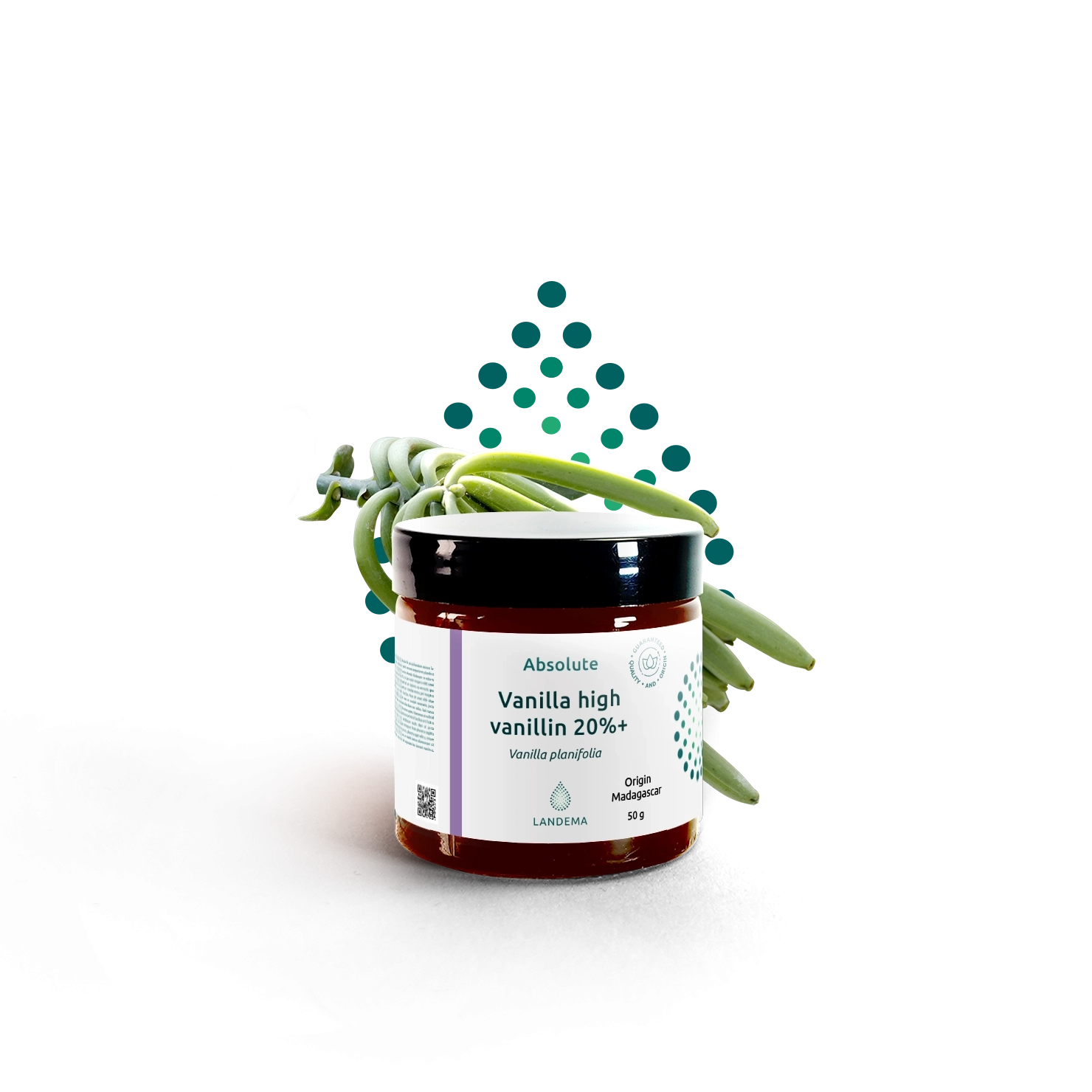

Vanilla high vanillin 20%+
Absolute
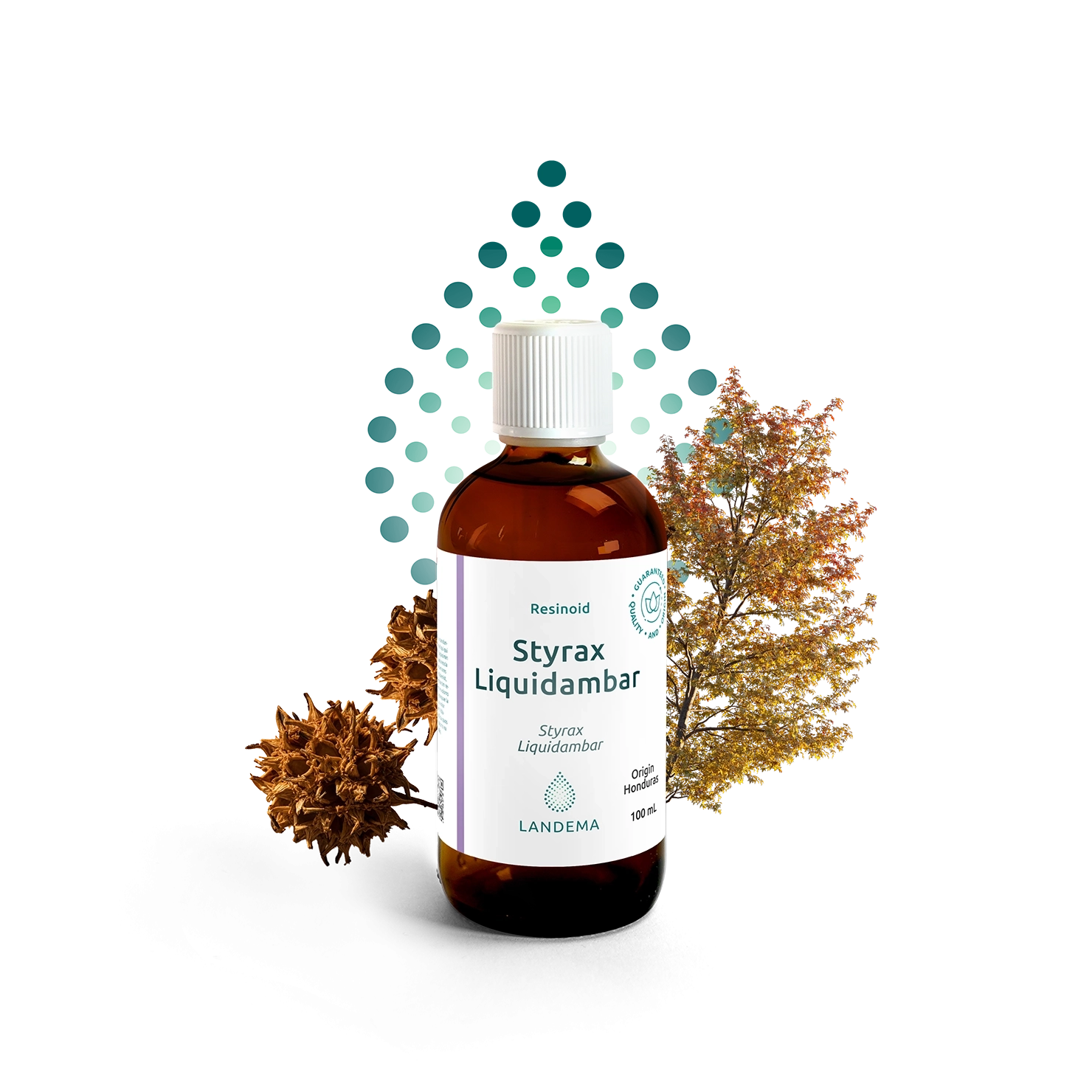

Styrax Liquidambar
Resinoid
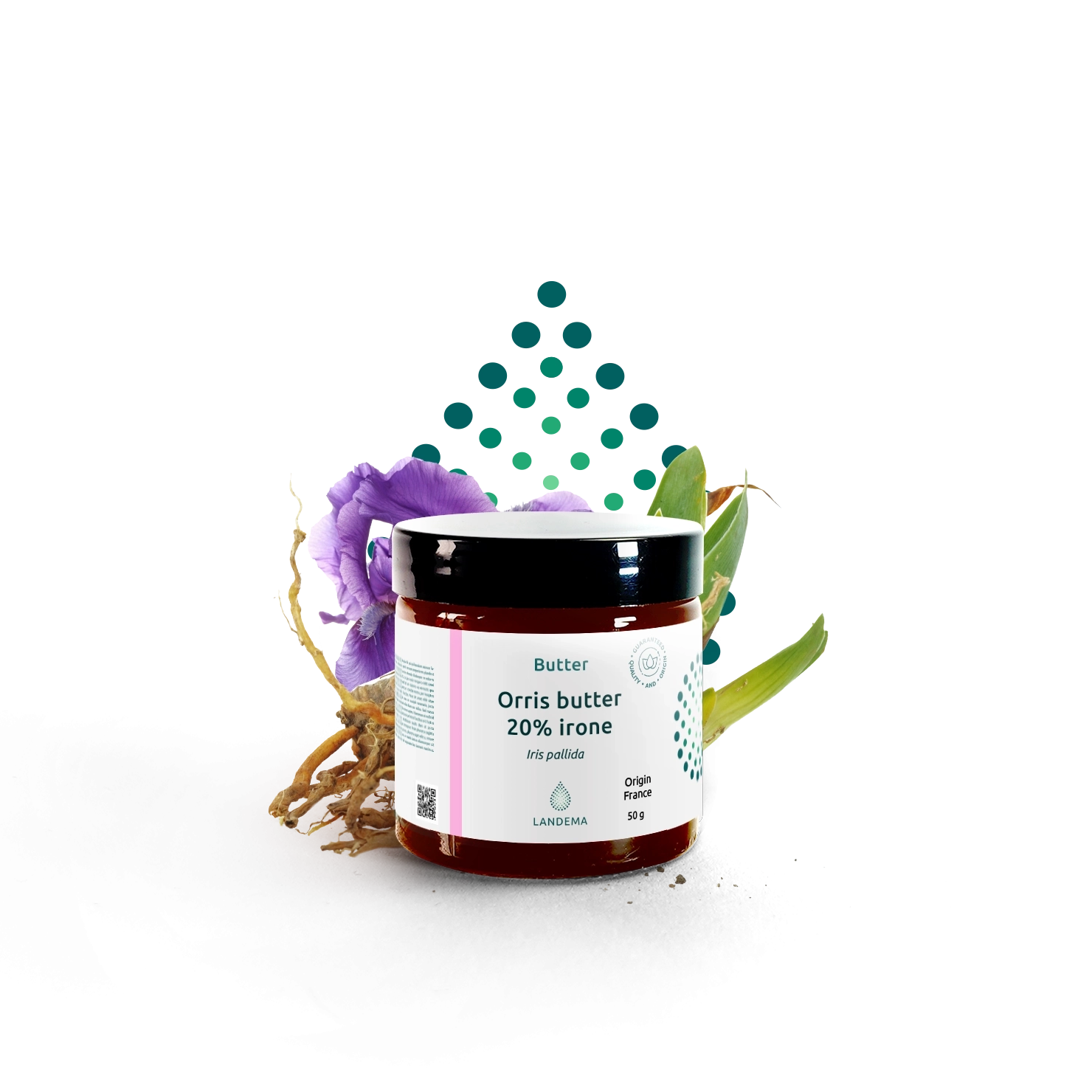
Orris butter 20% irone
Butter
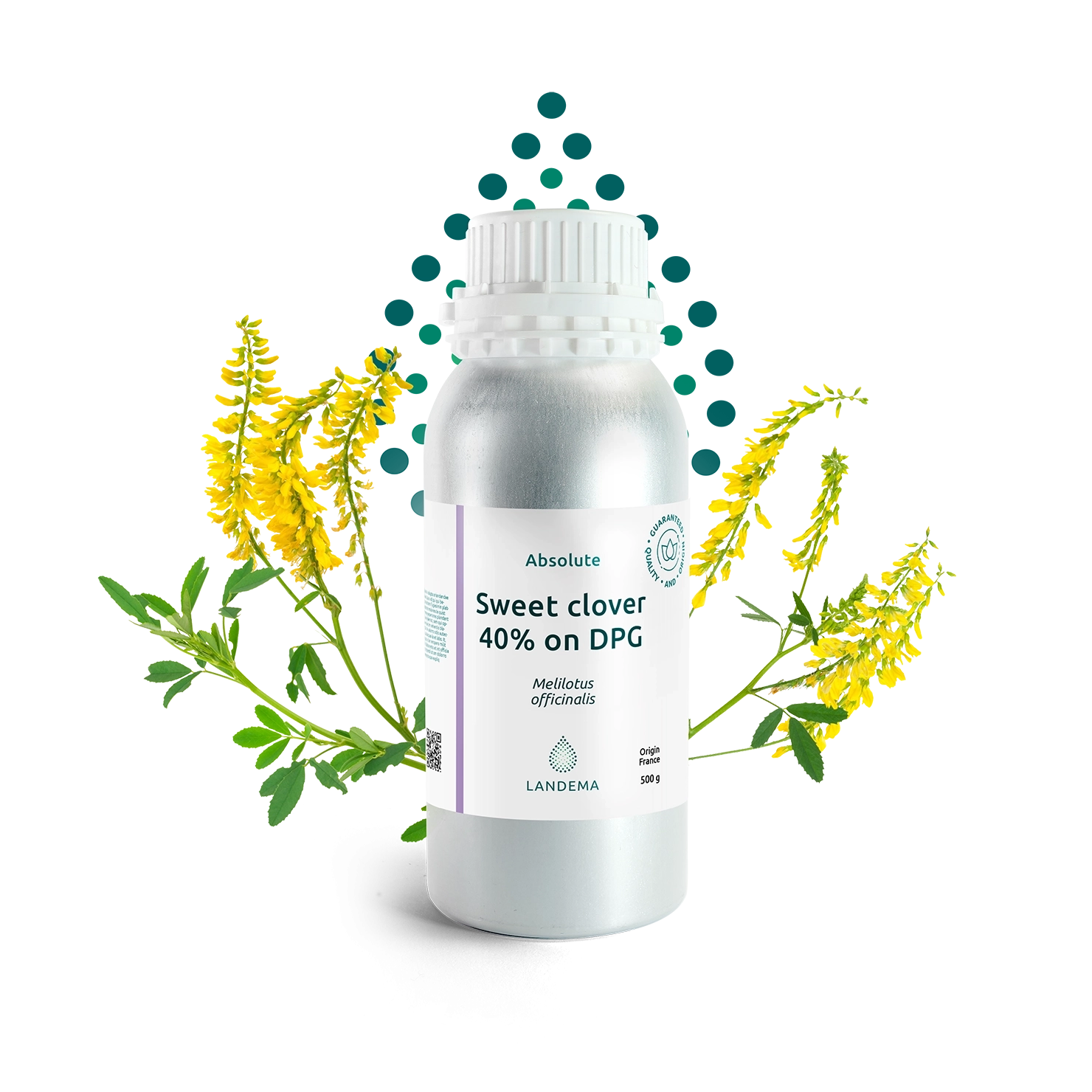
Sweet clover 40% on DPG
Absolute
Your wishlist
Secure payment


.svg)
.svg)
.svg)
.svg)
.svg)

.svg)